

























What Should You Pay Attention to When Buying a Used Car?
When choosing a used car, you should consider not only car prices and appearance, but also the year of
Automotives
11.09.2026
1420
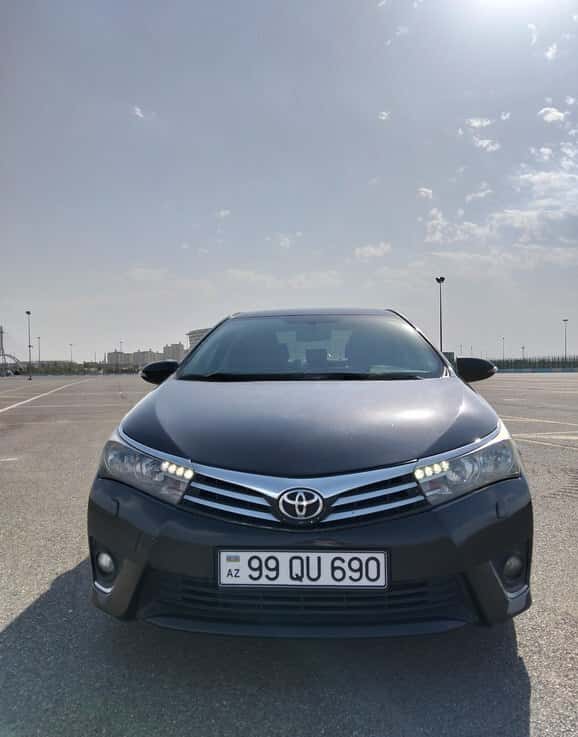
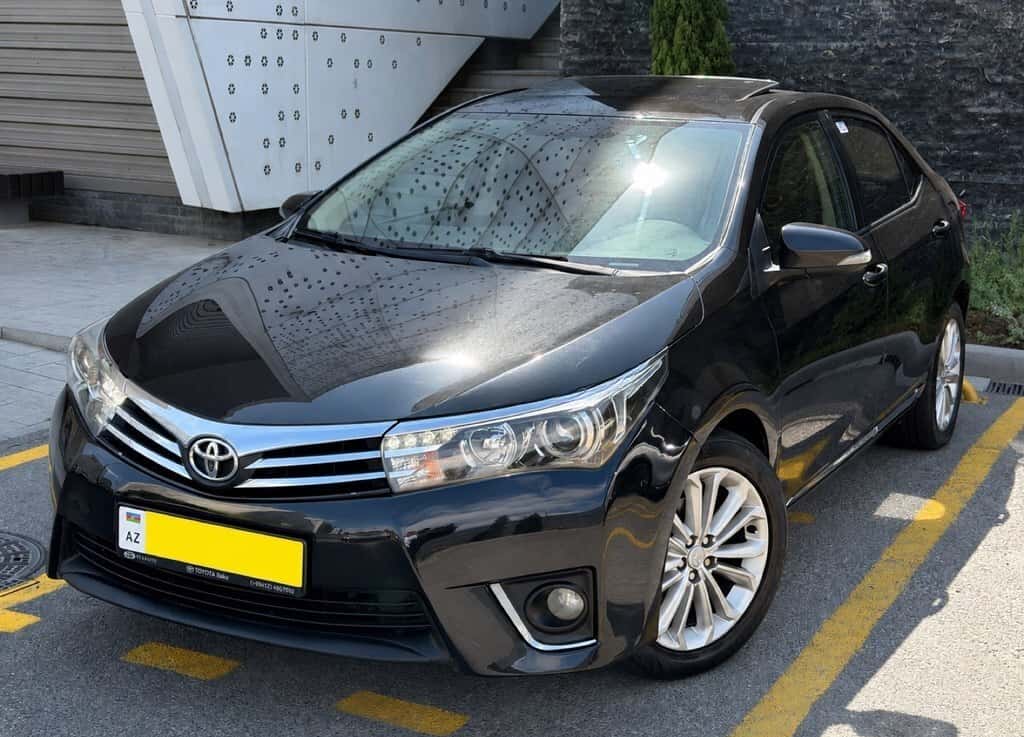
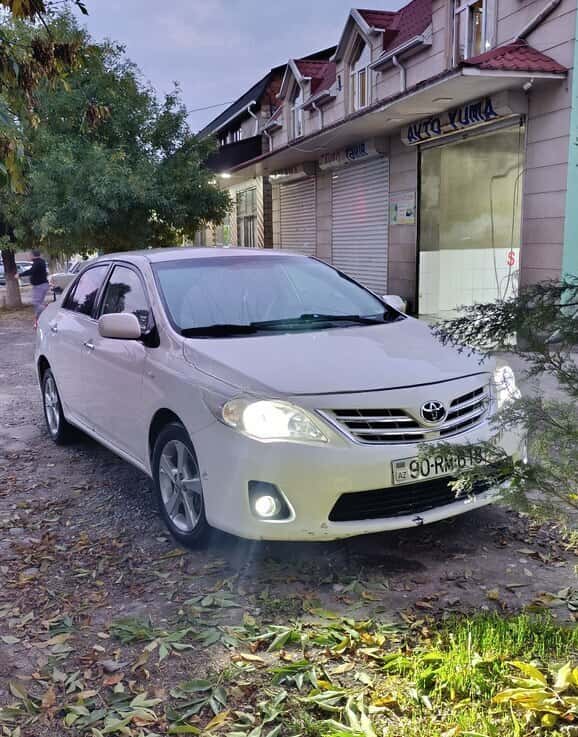
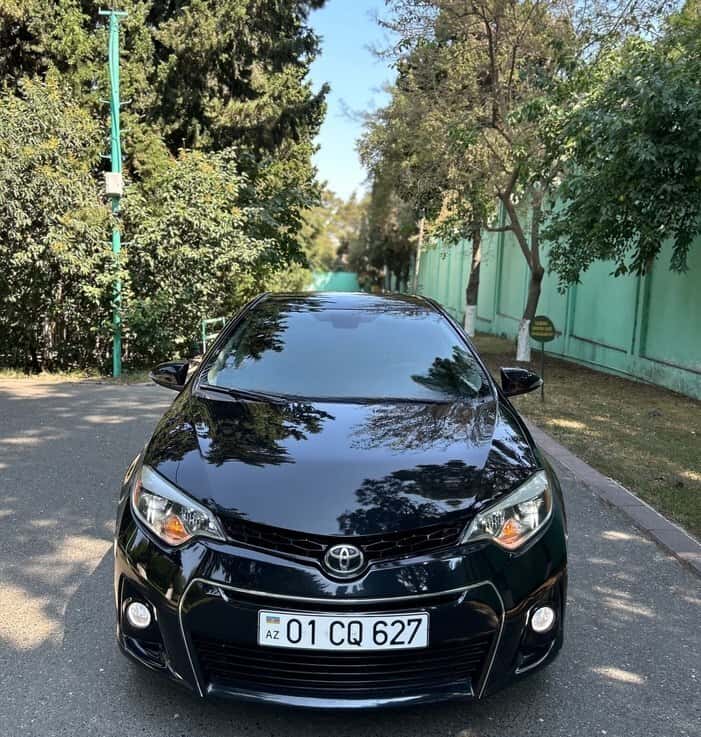
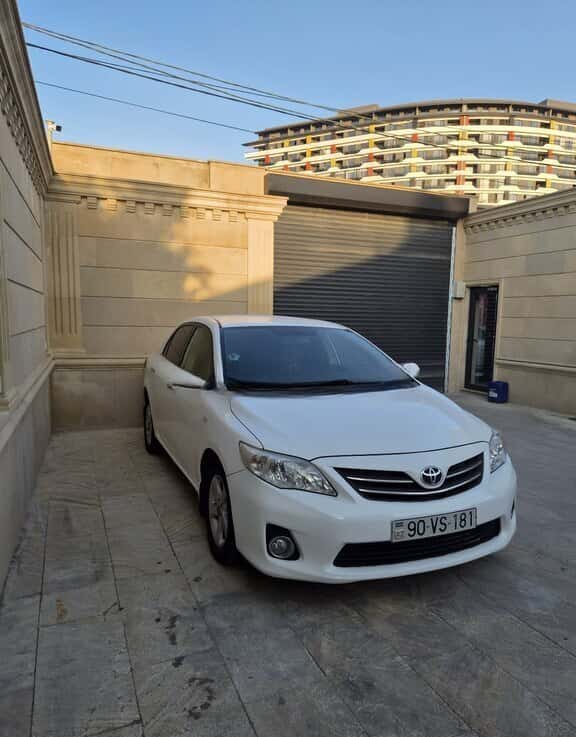
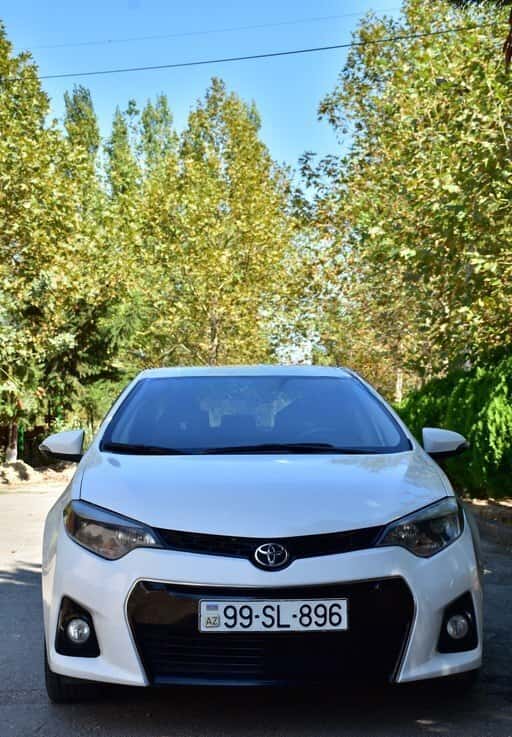
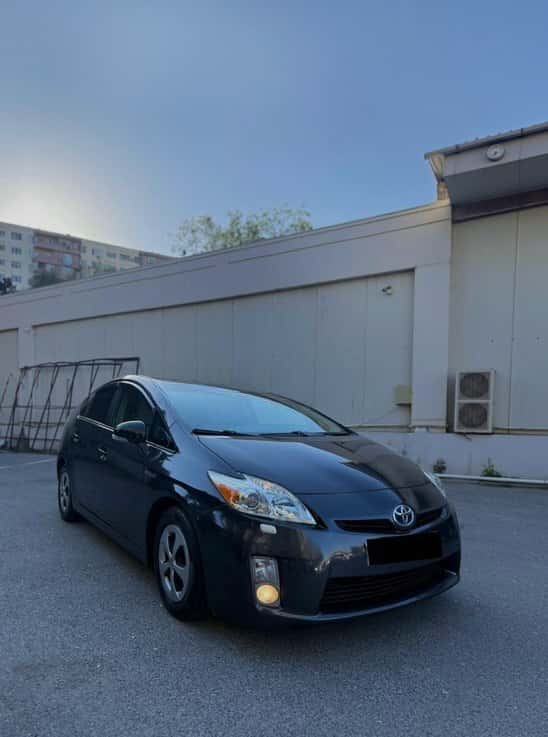
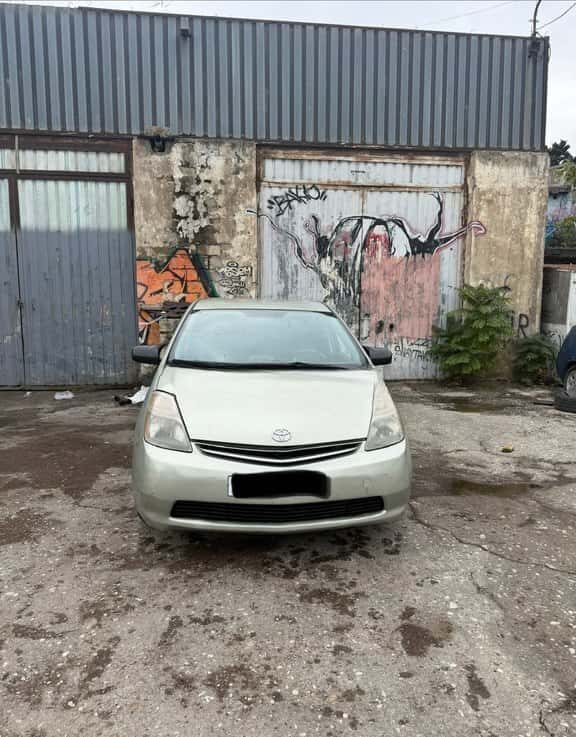
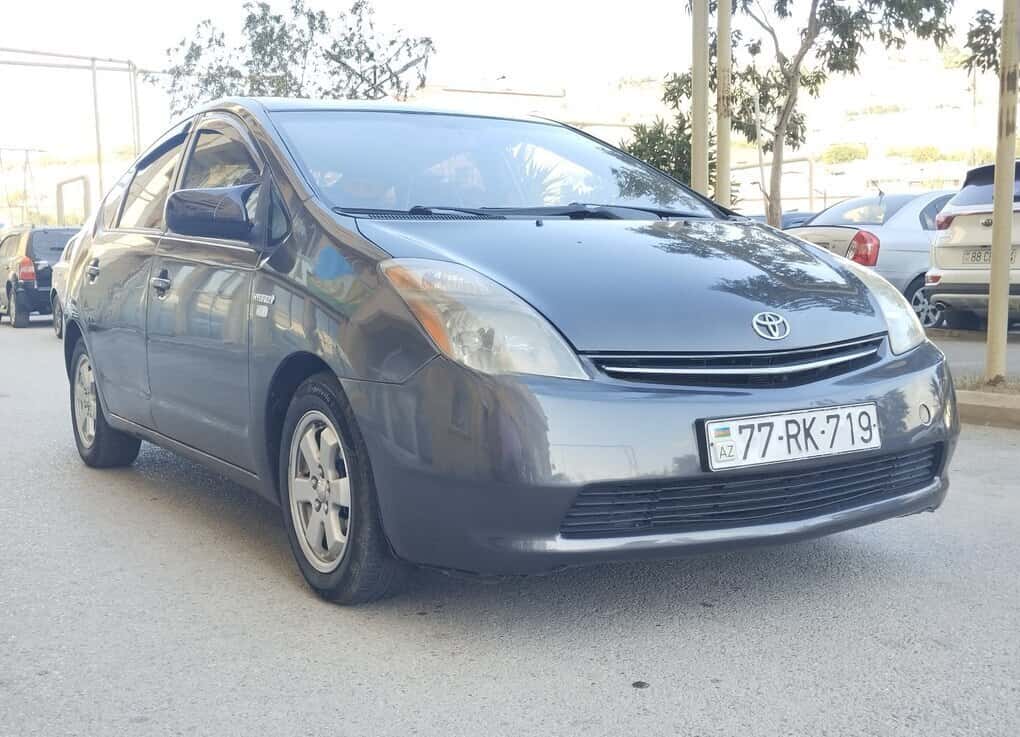
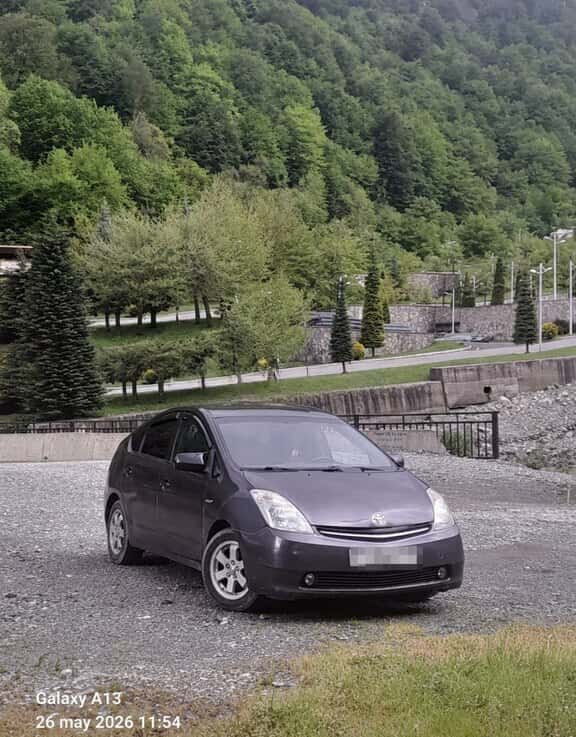
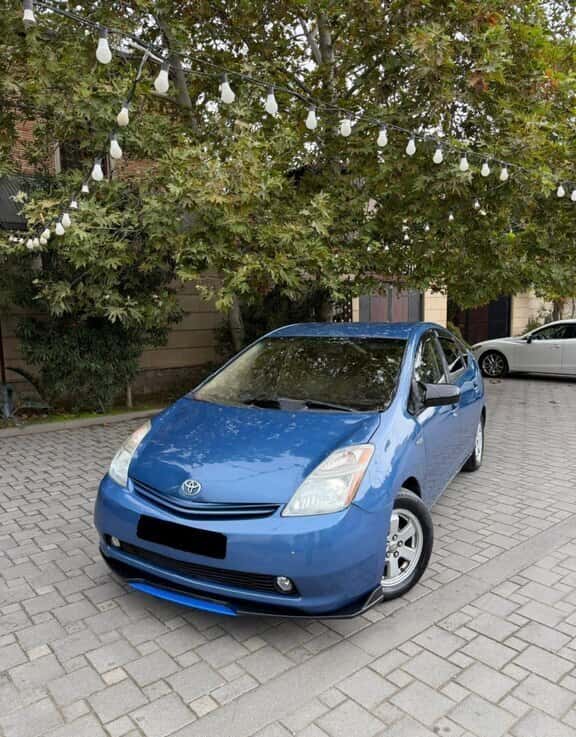
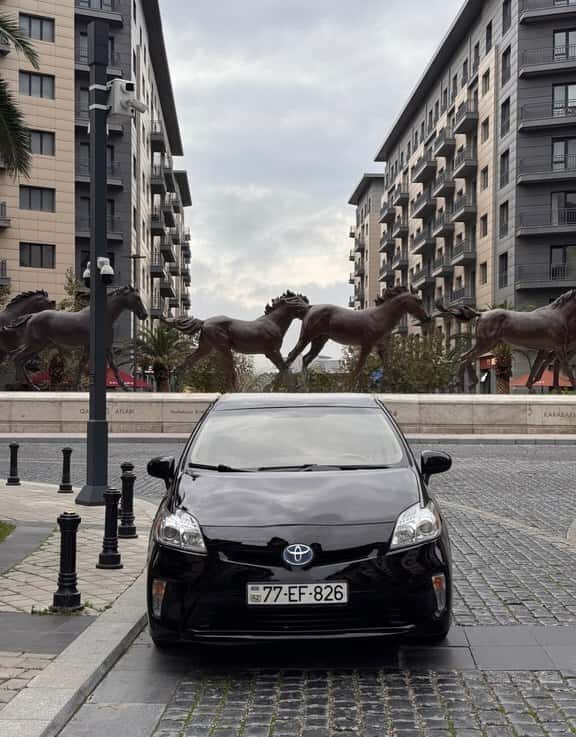
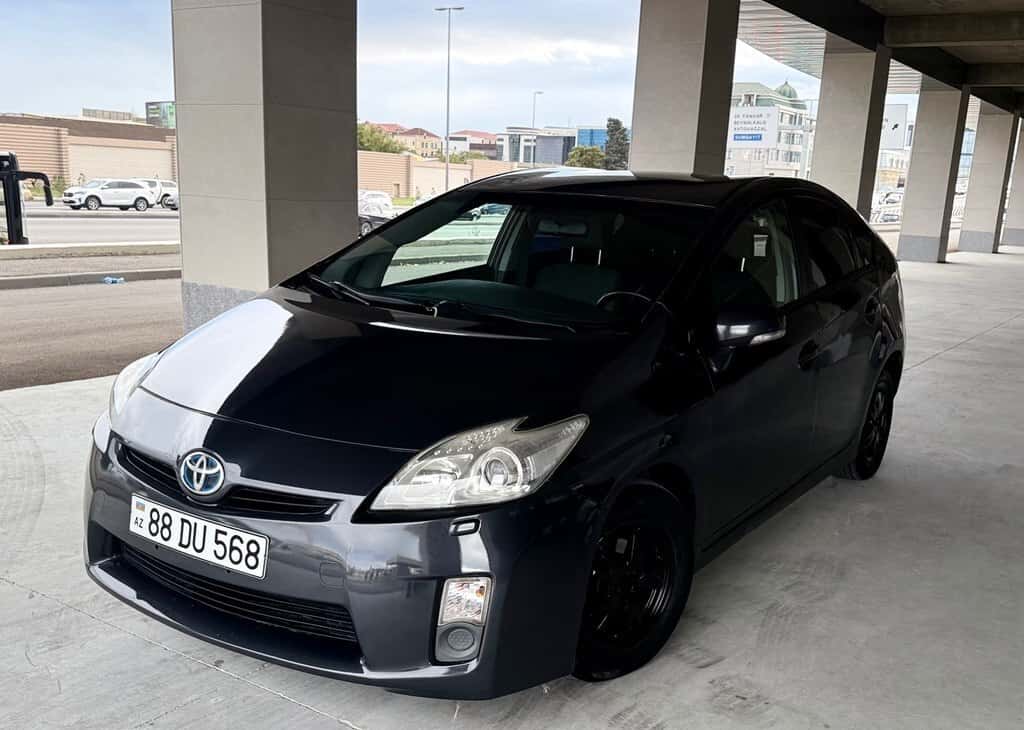
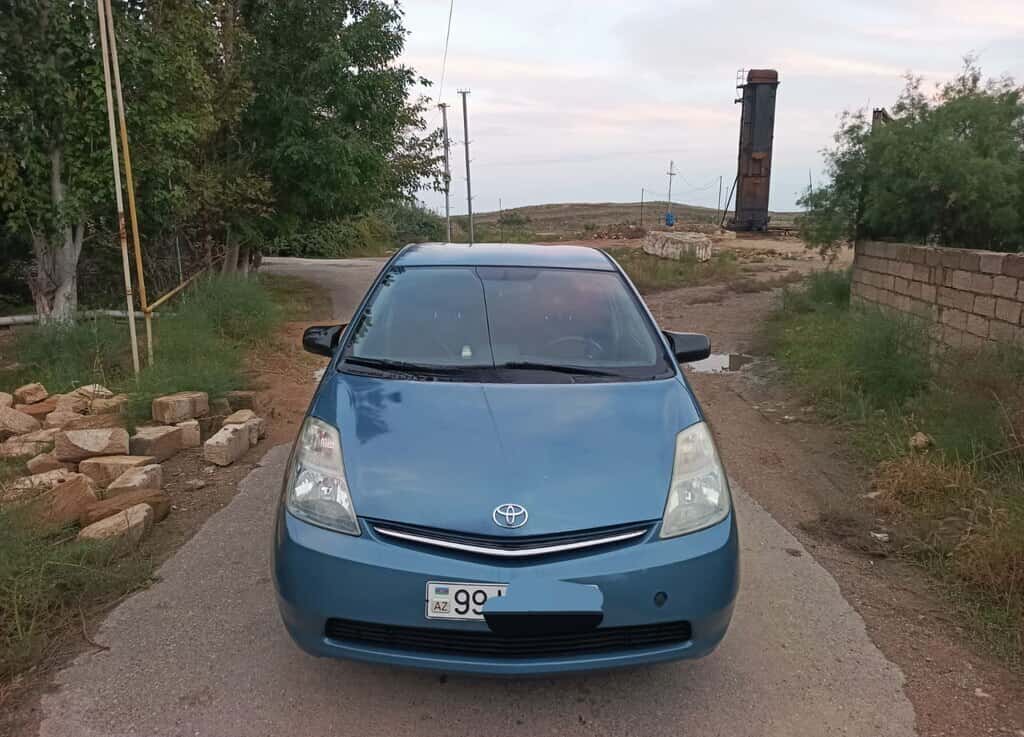
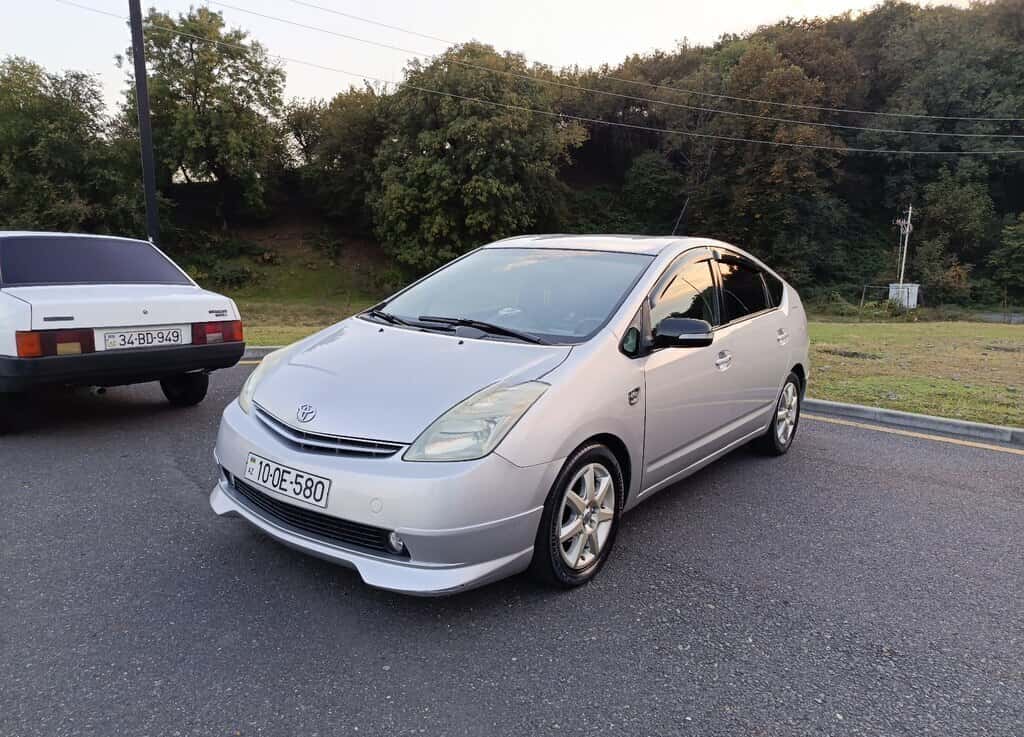
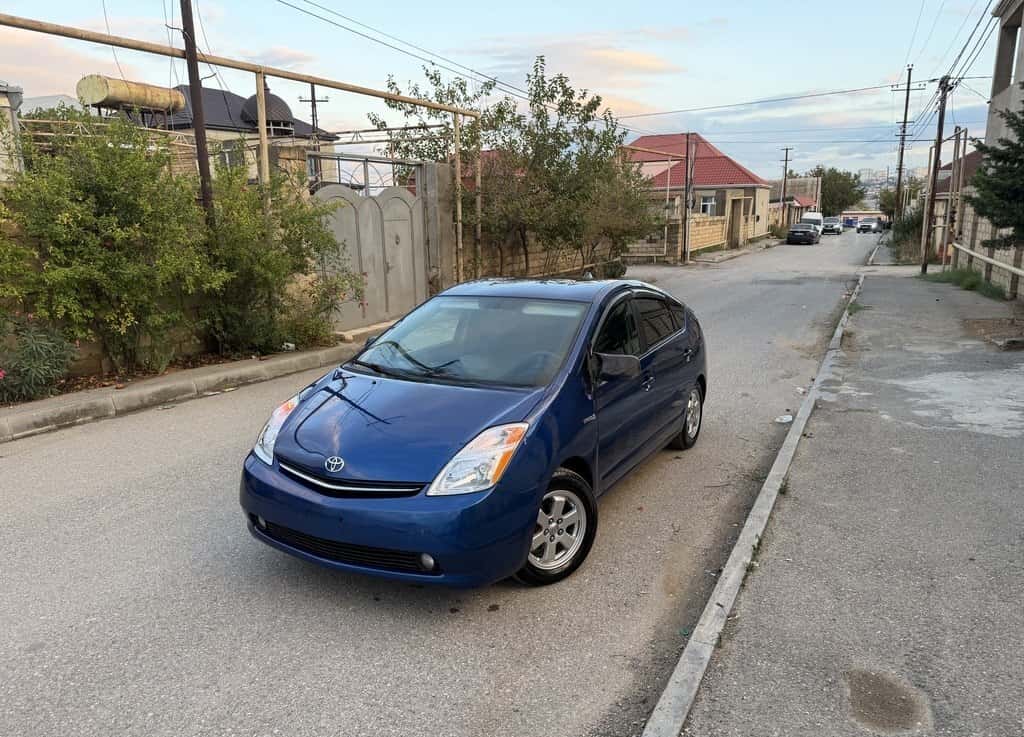
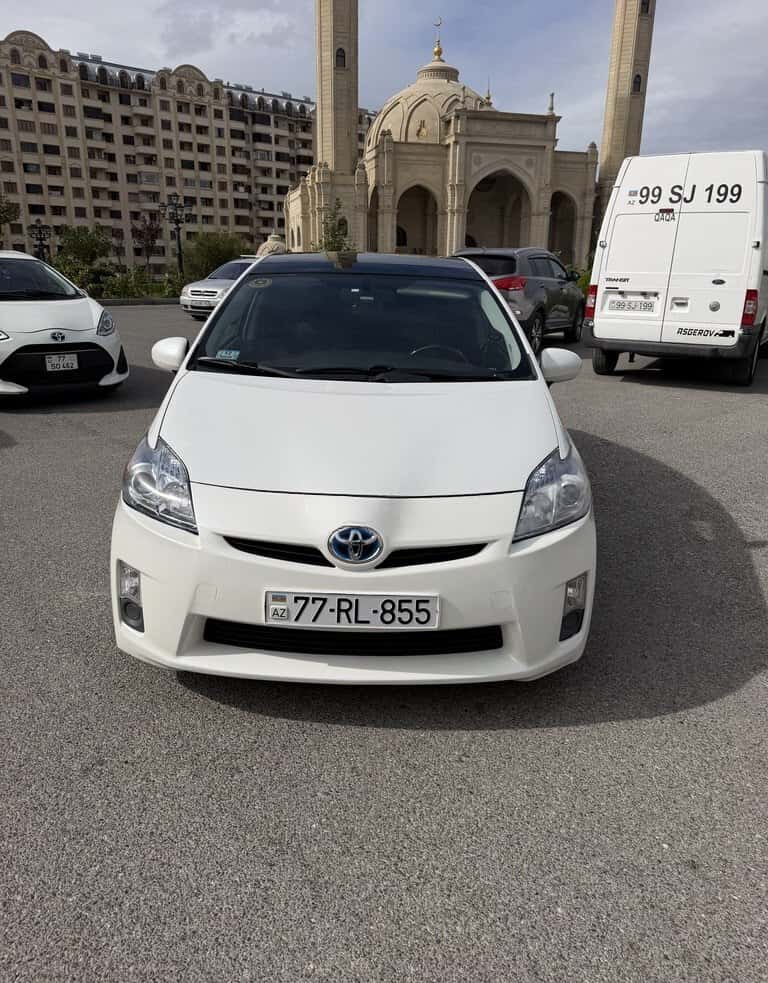
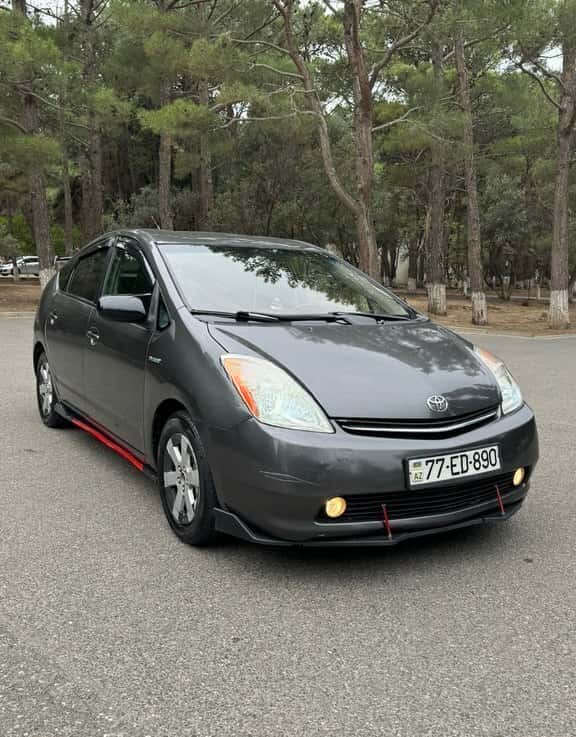
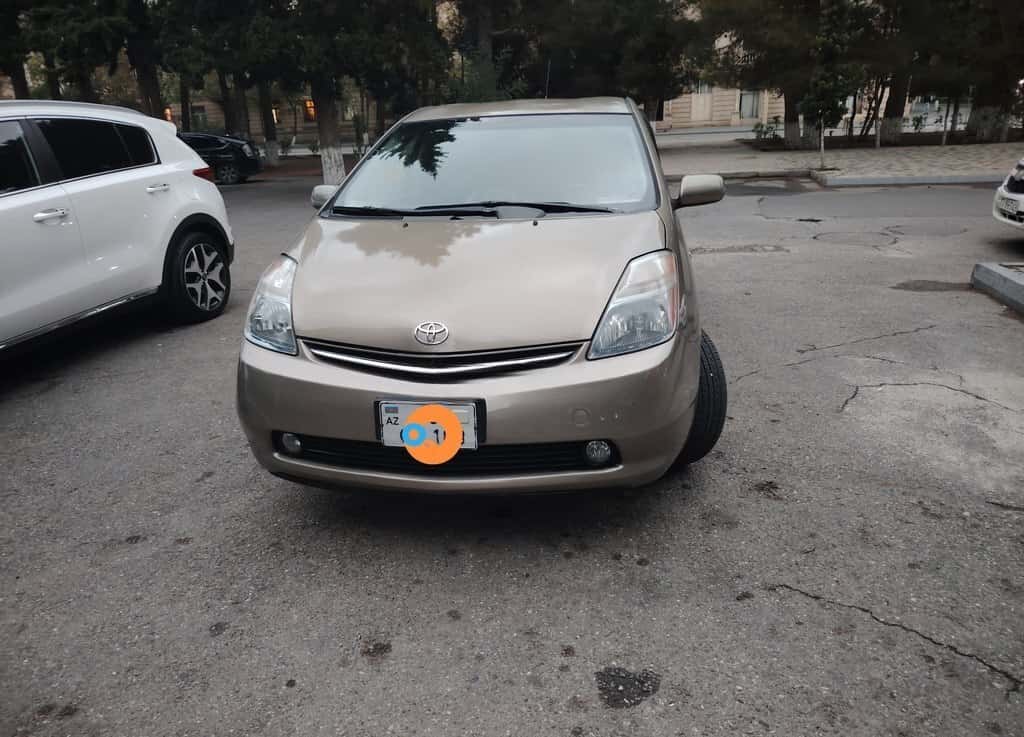
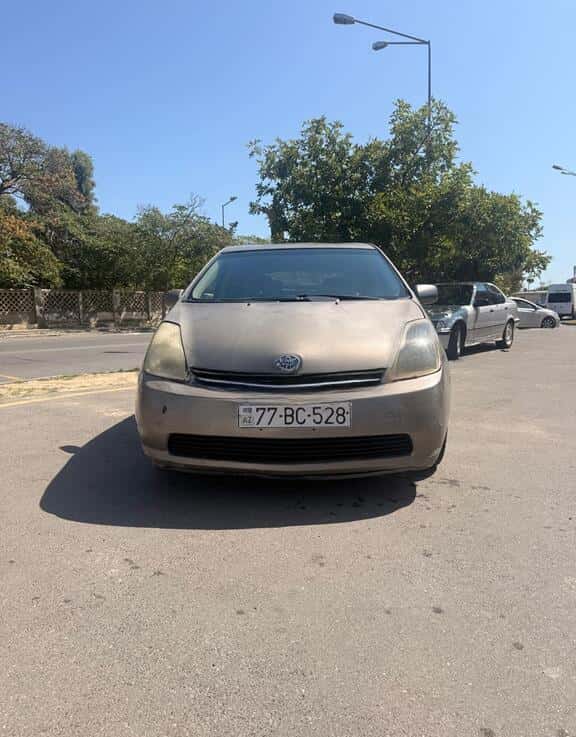
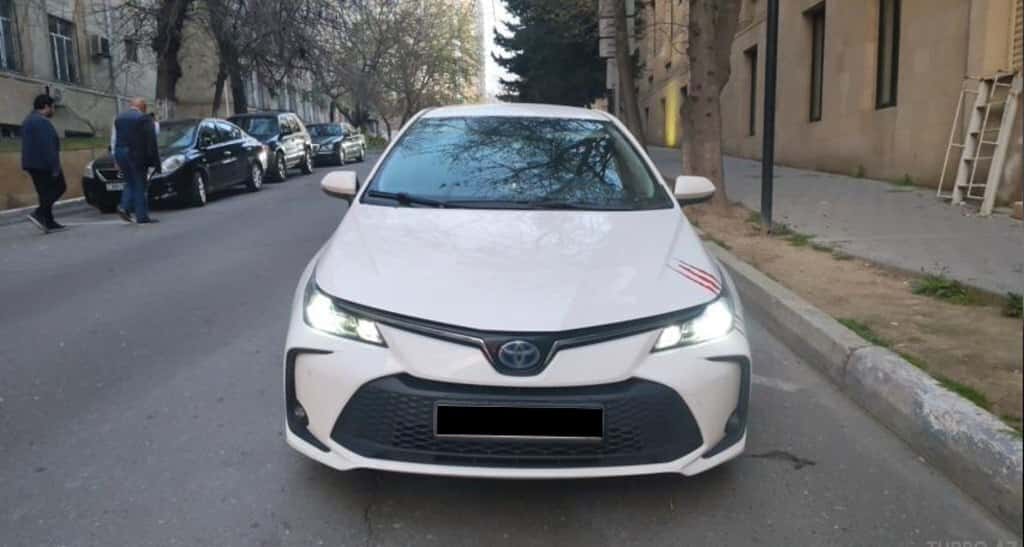
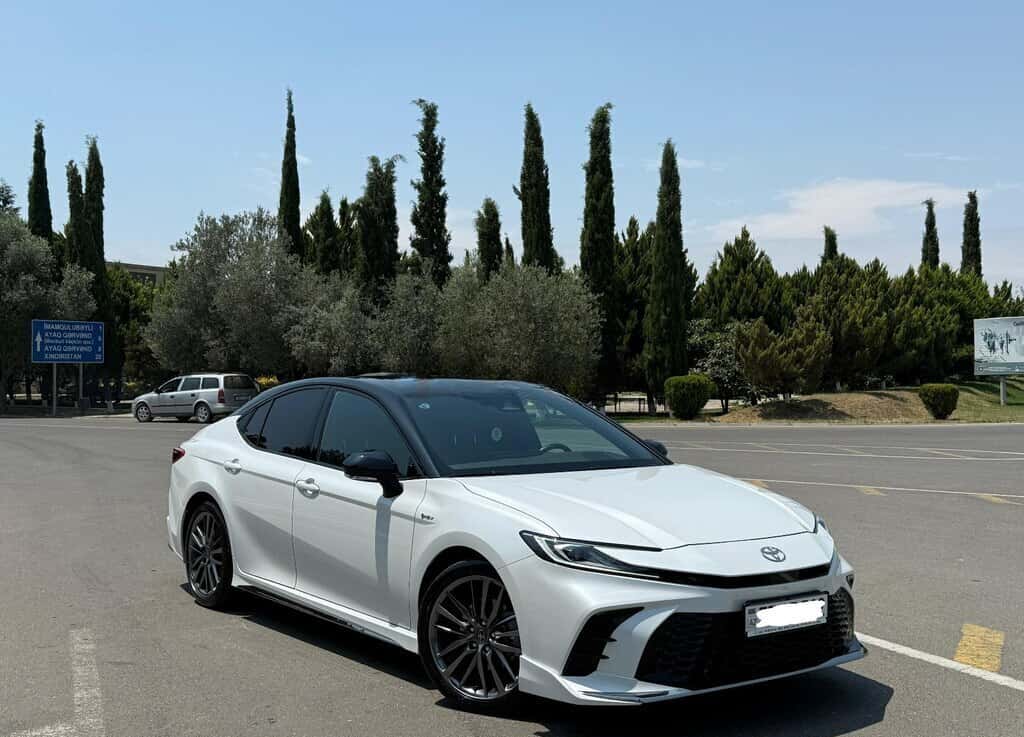
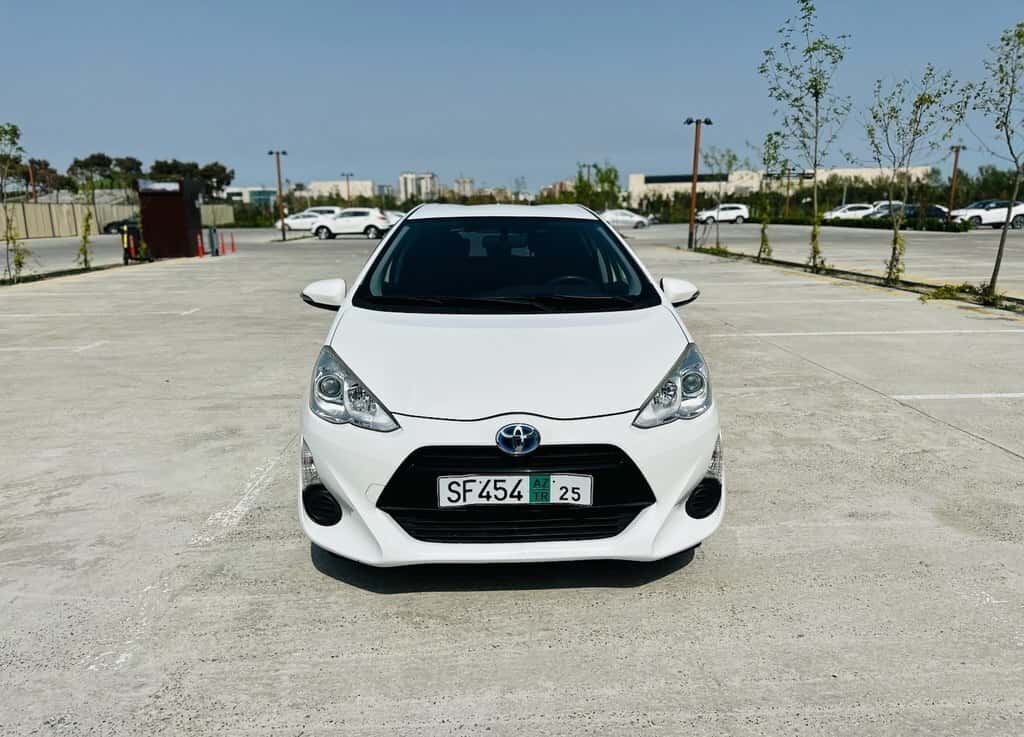
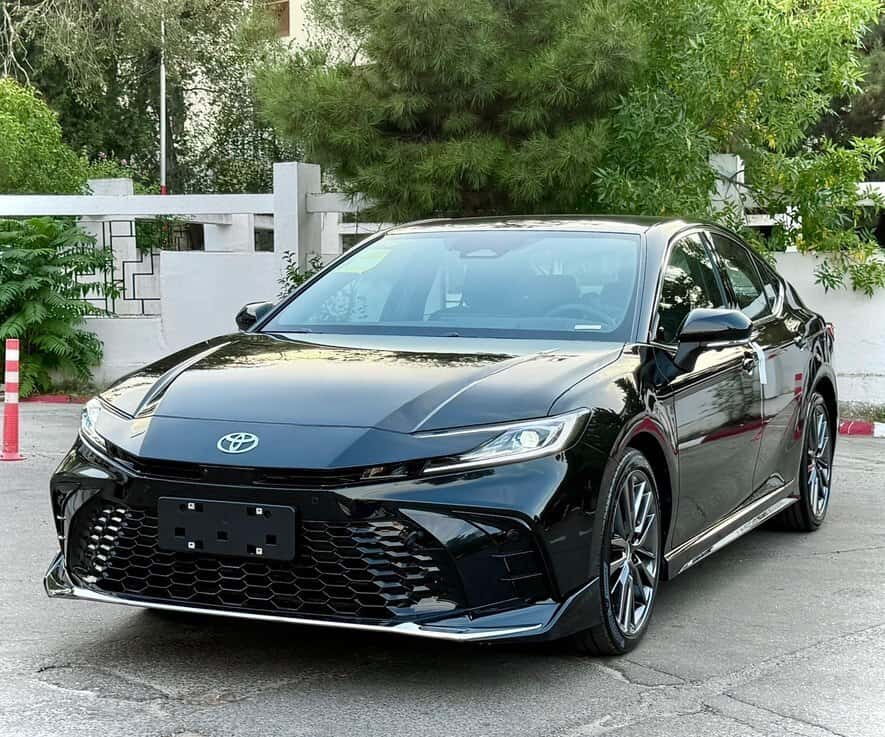
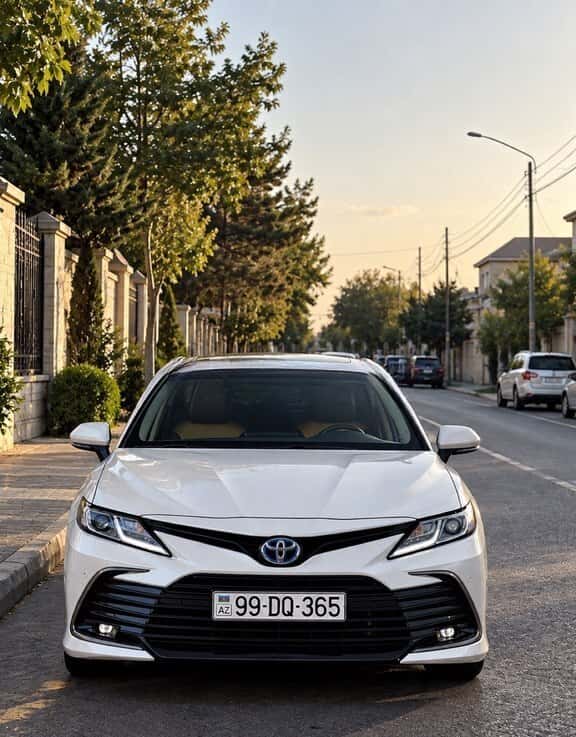
Toyota prices vary depending on the model, year of manufacture, engine type, and the condition of the vehicle. Browse listings for Toyota cars, compare new and used options, and find the right vehicle.
Found: 144 listings
Toyota prices can vary depending on the car model, production year, engine specifications, and market conditions. Since the brand has numerous cars for different purposes, the price range is also wide.
Among Toyota cars, you can find compact cars for daily use, sedans, hybrid models, SUVs, and larger family cars.
When researching Toyota sales listings, determining the type of car you need first, and then comparing models in that category can simplify the selection process.
Toyota models have features suitable for different usage requirements. While a more compact car is suitable for daily driving, a user who needs a spacious interior and trunk space may prefer a larger model.
Determining in advance the conditions under which you will mainly use the car makes model selection easier.
Fuel consumption, interior size, engine type, and the purpose of the car should be considered together.
The production year is one of the main indicators affecting Toyota prices. Newer cars can often be offered at higher prices because they have modern safety and comfort features.
For models from previous years, the purchase price may be more affordable.
However, the age of the car is not the only factor determining the price. A well-maintained car can be more valuable than a newer but poorly maintained one.
When buying a used Toyota, it is useful to get as much information as possible about the previous ownership and usage history.
Timely technical maintenance of the car, replacement of key parts, and previous repair work can affect future usage costs.
Checking the mechanical and electronic systems of the car before making a purchase decision helps to make a safer choice.
It is possible to find different power units in Toyota models, including gasoline and hybrid.
The fuel type of the car can affect daily usage costs and driving characteristics. For a user who drives a lot, fuel consumption may be a more important criterion.
For this reason, when comparing listings, it is advisable to consider not only the sale price but also the future usage costs of the car.
Mileage is an important indicator of how much the car has been used, but it does not determine the actual condition of the car on its own.
A low-mileage car can require additional costs if not maintained properly. A car with higher mileage but regular service can remain in good condition.
Therefore, mileage should be evaluated together with the technical history.
When comparing Toyota cars, it is necessary to choose cars that are as similar as possible. Directly comparing the prices of cars from different classes may not give accurate results.
It is more useful to compare cars in the same model family based on production year, mileage, engine, and equipment level.
Such an approach allows you to better understand the price position of the car you have chosen in the market.
If you plan to resell the car in the future, it is useful to consider the demand for the model in the second-hand market.
The widespread availability of the model in the market, service options, and general buyer demand can affect the future sales process.
For this reason, it is possible to evaluate the long-term value of the car along with the initial purchase price.
This depends on the usage conditions. A hybrid car can be interesting in terms of fuel consumption, especially for users who drive frequently, but the specific model should be evaluated separately.
The car's size, fuel consumption, interior comfort, maintenance costs, and daily usage conditions should all be considered together.
Looking only at the initial selling price is not enough. Warranty, mileage, vehicle condition, potential service costs, and future resale value should also be compared.
Registration documents, technical data, and the legal status of the vehicle must be checked. Before purchasing, the consistency of the documents with the vehicle information must be verified.
This depends on the model class, year of manufacture, and the number of offers on the market. More compact and older models can usually be found in a more affordable price range.
When choosing a used car, you should consider not only car prices and appearance, but also the year of

Car engines are one of the main systems that affect a vehicle's power, fuel consumption, driving characteristics, and maintenance costs. When choosing an

The best-selling cars in Azerbaijan can vary based on market demand, price, model selection, energy system, service availability, and other factors. Therefore

A car's VIN code is an identification number that uniquely identifies a specific vehicle. The VIN ( Vehicle Identification Number ) in modern cars usually

For buyers looking for cheap cars , the main issue is not just finding a low purchase price. The car's year of manufacture, mileage, engine, body condition

Car types and body styles show how vehicles differ based on their intended use, size, and structure. Different car types such as sedan, SUV, station wagon

A car is a significant purchase, and making the right choice involves more than just finding a reasonable price. The vehicle's technical condition, mileage

Buying a new car is not just about choosing the right model. Before purchasing, it is necessary to research the budget, purpose of use, engine and energy