


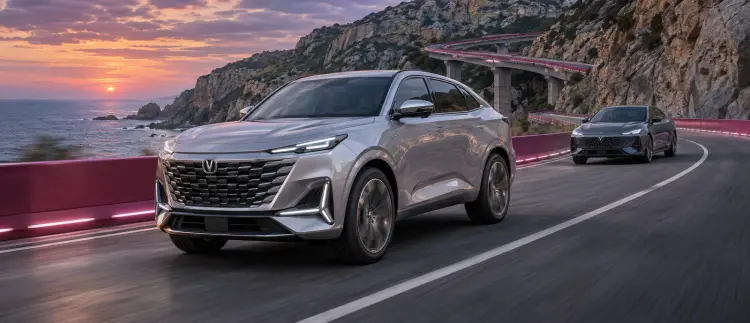
Detailed Information About Changan Cars
Changan cars are distinguished by their modern design, digital control systems, and various engine technologies.
Automotives
05.11.2026
830
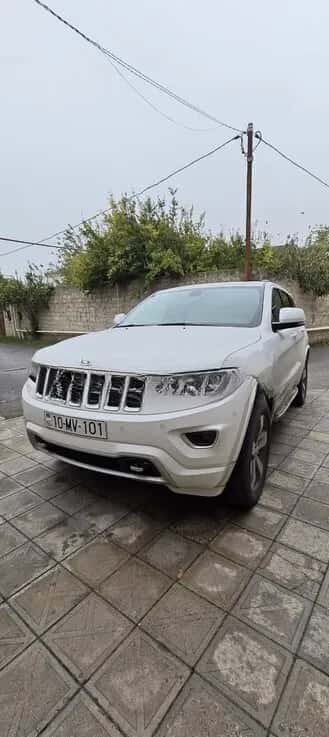
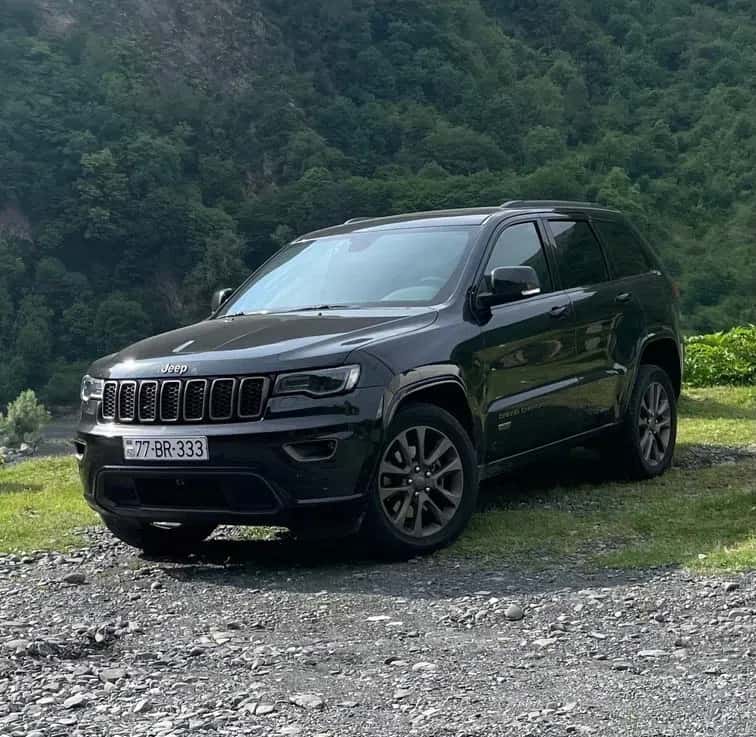
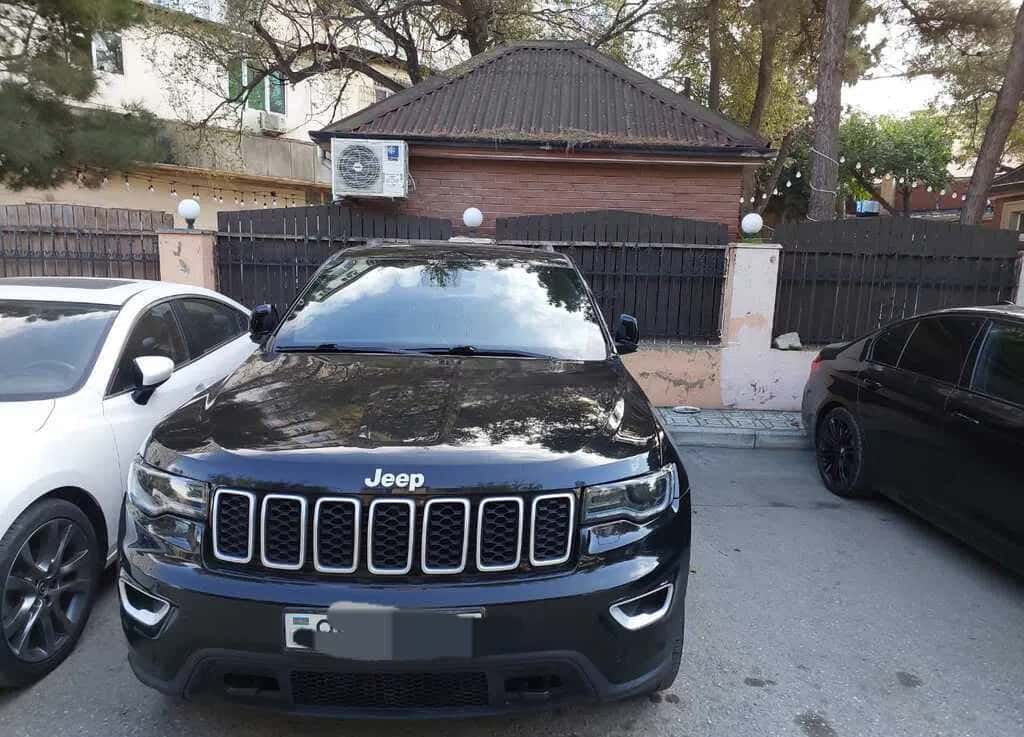
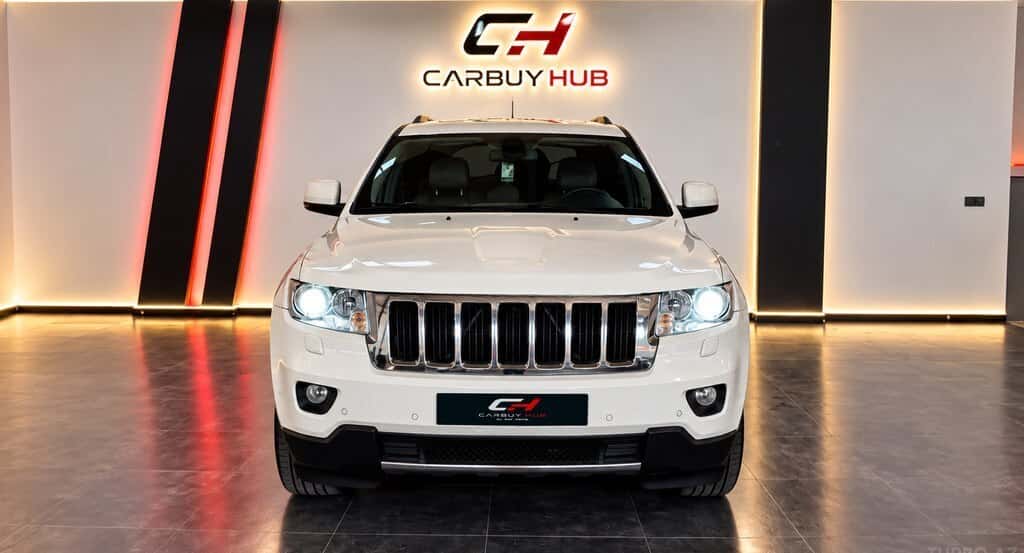
When buying or selling a Jeep Grand Cherokee, not only the vehicle's appearance and mileage should be checked, but also its 4x4 system, suspension, engine, and previous usage history. Since technical specifications can vary by model year and trim level, the selection should be made based on the specific vehicle.
Found: 6 listings
When buying and selling a Jeep Grand Cherokee, one should consider not only the appearance and price of the car but also the engine choice, fuel consumption, all-wheel-drive system, service history, and previous usage condition. Since it has been offered over various years and with different engines, each car must be evaluated individually.
When choosing a used car, in addition to the model year, mileage, maintenance, accident history, and the condition of the 4x4 system can directly affect the purchase decision. The price can also vary between cars of the same year precisely because of these indicators.
This model is one of the SUVs considered by buyers who want comfort, a large body, and all-wheel-drive capabilities in one vehicle. The advantages of the model vary depending on the chosen model year, engine, and trim level.
When purchasing, it is not enough to look only at the interior comfort and equipment of the car. When choosing an ad, checking the engine, transmission, 4x4 system, and suspension together helps to make a sounder choice.
In the second-hand market, it is possible to find versions with 3.0 diesel and 3.6 gasoline engines. Which one is more suitable depends on the annual mileage, main usage conditions, fuel preference, and approach to service availability.
If the 3.0 diesel version is chosen, the fuel system, turbine, cooling system, and service history should be checked carefully. In the 3.6 gasoline version, the engine's operation in cold and hot conditions, oil leaks, unusual noises, and diagnostic results should be reviewed.
Fuel consumption varies depending on the engine, model year, transmission system, tire size, and driving conditions. Therefore, it is not correct to apply a single figure shown in ads to all models.
Short-distance driving within the city, traffic jams, and frequent acceleration can increase consumption. A person who wants to buy the car should calculate the real usage costs of the specific engine in advance and not rely only on catalog figures.
When buying a used car, electronic systems, suspension, 4x4 system, transmission, and engine should be checked separately. Since some high-end trims have pneumatic suspension, it is important to check for delays when changing the car's height, leaning to one side, and whether there are warnings on the dashboard.
During a test drive, there should be no shocks, humming, or vibrations from the transmission system during turns and acceleration. When buying and selling a Jeep Grand Cherokee, VIN history, service records, and computer diagnostics also help to better understand the actual condition of the car.
The Jeep Grand Cherokee price is primarily formed based on the model year, engine, mileage, trim level, and technical condition. The reason for the price difference in cars produced in the same year can be service history, accident history, 4x4 system, and additional equipment.
In very low-priced ads, it is necessary to investigate separately why the car is offered cheaper than the market level. When purchasing, considering future service costs along with the price helps to make a more correct choice.
A VIN check helps to investigate the vehicle's production details, configuration, and previous usage history, if available. When buying or selling a Jeep Grand Cherokee, this check is especially useful for imported vehicles.
Yes. It is possible to determine from service records whether oil changes, engine maintenance, transmission, and other technical services have been performed on time.
It is not correct to make a decision based solely on the mileage figure. A high-mileage but well-maintained car can sometimes be in better condition than a low-mileage, neglected car.
Body elements, paint thickness, chassis parts, and safety systems should be checked. The VIN history can also provide additional information about previous damages.
Multimedia, climate system, camera, sensors, power seats, and warning lights on the dashboard should be checked. Computer diagnostics can help identify hidden error codes.
Changan cars are distinguished by their modern design, digital control systems, and various engine technologies.
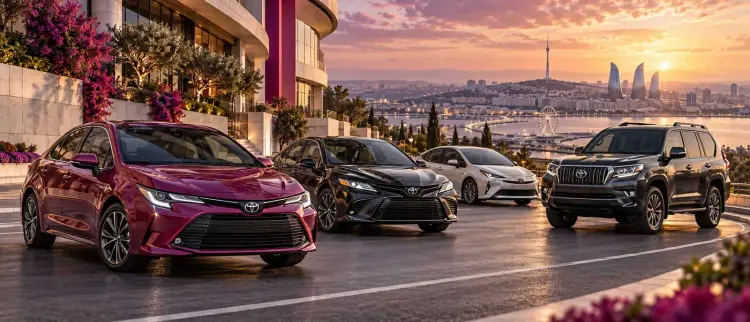
Toyota Avtomobilləri Haqqında Ətraflı məlumat almaq sizi seçimdən əvvəl qərarınıza kömək edir. Avtomobil alarkən mühərrikin

What should you pay attention to when buying a

Car engines are one of the main systems that affect a vehicle's power, fuel consumption, driving

The best-selling cars in Azerbaijan can vary based on market demand, price, model selection
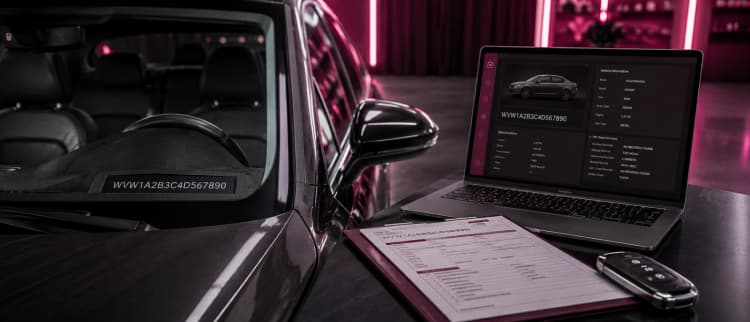
A car's VIN code is an identification number that

For buyers looking for cheap cars , the main issue is not just finding a

Car types and body styles show how vehicles differ based on their intended