






Information and Key Features About Mercedes
For those looking for information about Mercedes , it is important to understand the
Automotives
17.11.2026
1161
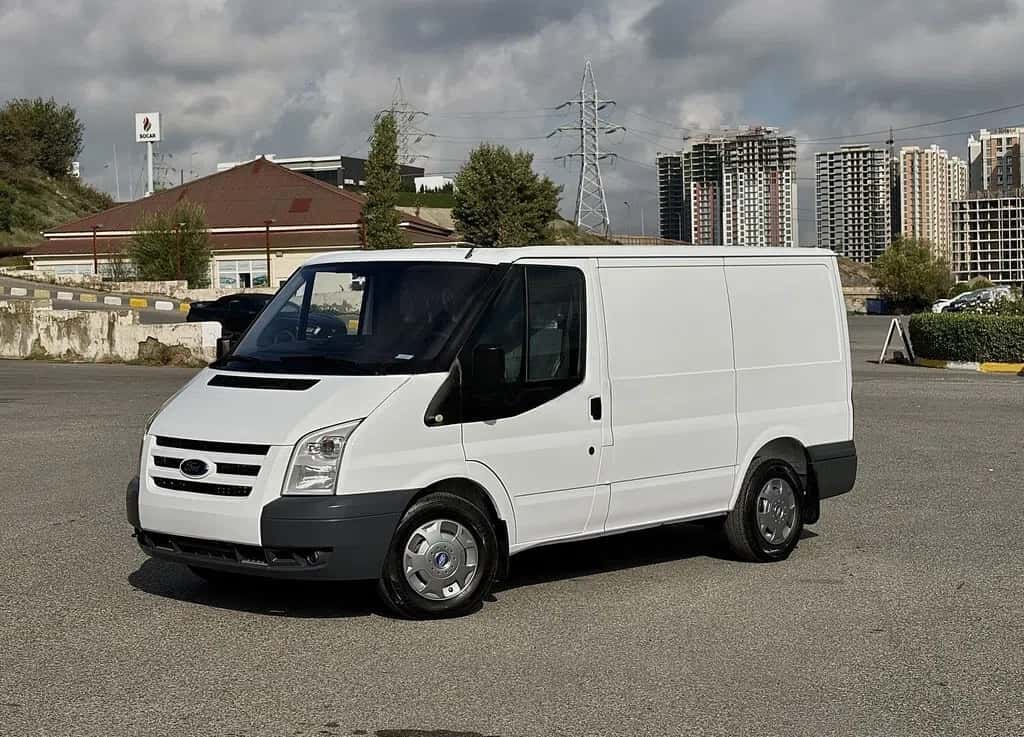
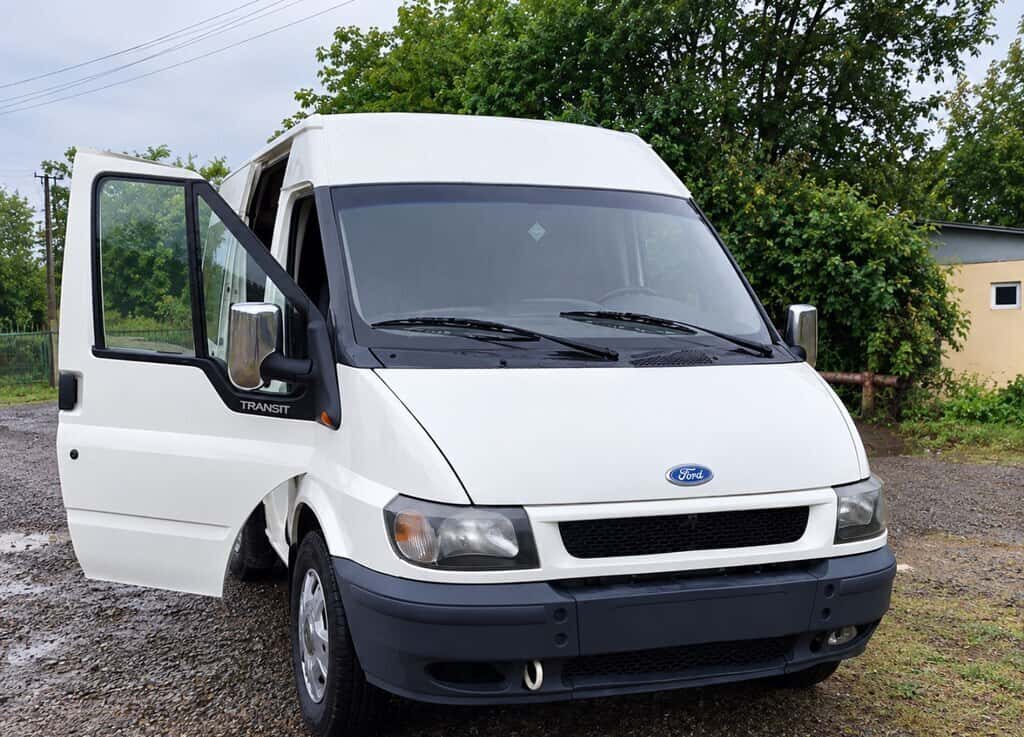
When buying or selling a Ford Transit, the vehicle's engine, body size, cargo area, transmission system, and previous usage history should be carefully checked. You can choose the vehicle that suits your purpose from different Ford Transit versions.
Found: 8 listings
When buying and selling a Ford Transit, the intended purpose of the vehicle must first be determined. The body structure and technical specifications of Ford Transit models intended for cargo transport, passenger transport, or daily commercial activity may differ.
In second-hand Ford Transit buying and selling listings, looking only at the year of manufacture and mileage is not enough. The condition of the engine, history of use under load, suspension, transmission, and the general condition of the body play an important role in the purchasing decision.
In Ford Transit sales listings, it is possible to find various body versions suitable for van, cargo, and passenger transport. The choice should depend on what the vehicle will be used for on a daily basis.
If a vehicle is being chosen for cargo transport, the length and height of the cargo area, the opening of the doors, and the permitted load indicators should be considered. For passenger use, the number of seats, cabin layout, air conditioning system, and ease of entry are more important.
When buying and selling a Ford Transit, it is also advisable to check the compliance of any subsequently modified body or seat structure with the documents.
In the second-hand market, 2.2 diesel engine Ford Transit models are frequently encountered. For a diesel commercial vehicle, the service history and previous usage conditions are especially important.
The engine should be started cold, and it should be checked for unusual noise, smoke, oil, or coolant leaks. The turbine, fuel system, and cooling system should also be diagnosed.
When buying and selling a Ford Transit, it is necessary to pay attention not only to the engine's operation but also to whether the vehicle has been used under heavy loads for a long time.
Ford Transit can be offered with front and rear-wheel drive in various model years and versions. Which one is more suitable depends on the purpose of the vehicle's use and the load to be carried.
Daily commercial use within the city and heavy, continuous cargo transport do not have the same requirements. Therefore, when buying and selling a Ford Transit, it is important to check the specific vehicle's drivetrain, differential, and transmission during a test drive.
If there is a hum, vibration, impact, or unusual noise from the drivetrain during acceleration, an additional technical inspection should be carried out.
When buying and selling a Ford Transit, it is not correct to choose the body size based only on the vehicle's exterior appearance. The size and weight of the cargo to be carried and the route the vehicle will operate on daily should be considered.
A long and high body may offer more cargo space, but it creates a different user experience in terms of maneuvering in parking and narrow areas within the city. A smaller version may be more practical for certain businesses.
When choosing a cargo vehicle, it is also important to check whether the floor, rear doors, side door, and cargo area have been damaged by previous heavy use.
Ford Transit prices vary depending on the year of manufacture, engine, mileage, body type, drivetrain, and the technical condition of the vehicle. In commercial vehicles, the previous form of use can also significantly affect the price.
Between two Ford Transits of the same model year, there may be a price difference due to the condition of the cargo area, the engine's service history, and general wear and tear.
If the price in a Ford Transit buying and selling listing is significantly lower than the market level, the engine, transmission, body, and documents should be checked more carefully.
This depends on the purpose of use. The engine should be chosen by taking into account daily commercial use, load weight, and annual mileage.
High mileage does not automatically mean the car is in poor condition. Service history, engine, and transmission condition are more important indicators.
Loss of power, unusual whistling sound, smoke, and increased oil consumption may indicate the need for further inspection of the turbine.
Difficult starting, unstable engine operation, smoke, and increased fuel consumption may require an inspection of the fuel system.
It is important that the vehicle does not pull to one side during braking, the steering wheel does not vibrate, and the pedal reacts normally.
For those looking for information about Mercedes , it is important to understand the

Changan cars are distinguished by their modern design, digital control systems, and various engine technologies.

Toyota Avtomobilləri Haqqında Ətraflı məlumat almaq sizi seçimdən əvvəl qərarınıza kömək edir. Avtomobil alarkən mühərrikin

What should you pay attention to when buying a

Car engines are one of the main systems that affect a vehicle's power, fuel consumption, driving

The best-selling cars in Azerbaijan can vary based on market demand, price, model selection

A car's VIN code is an identification number that

For buyers looking for cheap cars , the main issue is not just finding a