


Information and Key Features About Mercedes
For those looking for information about Mercedes, it is important to understand the differences in comfort, engine type, technology, and model classes. C-Class, E-Class, S-Class, and SUV models are designed for different purposes.
Buyers interested in Mercedes-Benz vehicles should pay attention not only to the appearance but also to driving characteristics, technical condition, and future maintenance costs when comparing both new and used models.
Why is Mercedes So Popular?
Mercedes cars are loved primarily for the comfort and premium driving experience they offer. The interior design, sound insulation, suspension performance, and ease of handling are notable features in many of the brand's models.
The availability of models in various price categories also contributes to the continued interest in Mercedes. While one driver might choose a compact C-Class, another might prefer a more spacious E-Class or a high-comfort S-Class.
One of the attractive aspects of the brand for buyers is that it offers cars with different characters:
C-Class: More compact body and daily driving convenience.
E-Class: A balance between interior space and comfort.
S-Class: High-level passenger comfort and additional technologies.
GLC and GLE: Options for drivers who prefer an SUV body and a high seating position.
G-Class: A model known for its distinct design and off-road capabilities.
However, there can be significant differences between different generations of the same model. Therefore, when choosing a Mercedes, the production year and trim level of the car should be evaluated separately.
Mercedes Models and Their Differences
Mercedes models differ in size, body structure, interior features, and driving character. These differences are especially clear when comparing C-Class, E-Class, and S-Class sedans.
Model | Body category | Main advantage |
C-Class | Compact premium sedan | Practical dimensions |
E-Class | Mid-size premium sedan | Balance of comfort and space |
S-Class | Large luxury sedan | Passenger comfort and premium equipment |
Mercedes C-Class

The Mercedes C-Class is an interesting choice for drivers looking for a compact premium sedan. The car's dimensions can be practical for daily commuting and parking compared to larger Mercedes sedans.
In C-Class models, the engine, transmission, and electronic equipment vary depending on the generation. For example, W204, W205, and W206 belong to different generations of the same model family.
When buying a used C-Class, it is important to check the technical condition of the engine, automatic transmission, suspension, and electronic systems.
Mercedes E-Class

The Mercedes E-Class is a sedan family known for its spacious interior and comfortable ride characteristics. This model attracts drivers who prioritize comfort for both daily use and long-distance travel.
Generations such as W211, W212, W213, and W214 exist among E-Class cars. Their interior design, engines, multimedia systems, and safety equipment differ.
For example, when comparing W212 and W213 models, it is necessary to pay attention not only to the exterior design but also to the electronic equipment and the specific engine version.
Mercedes S-Class
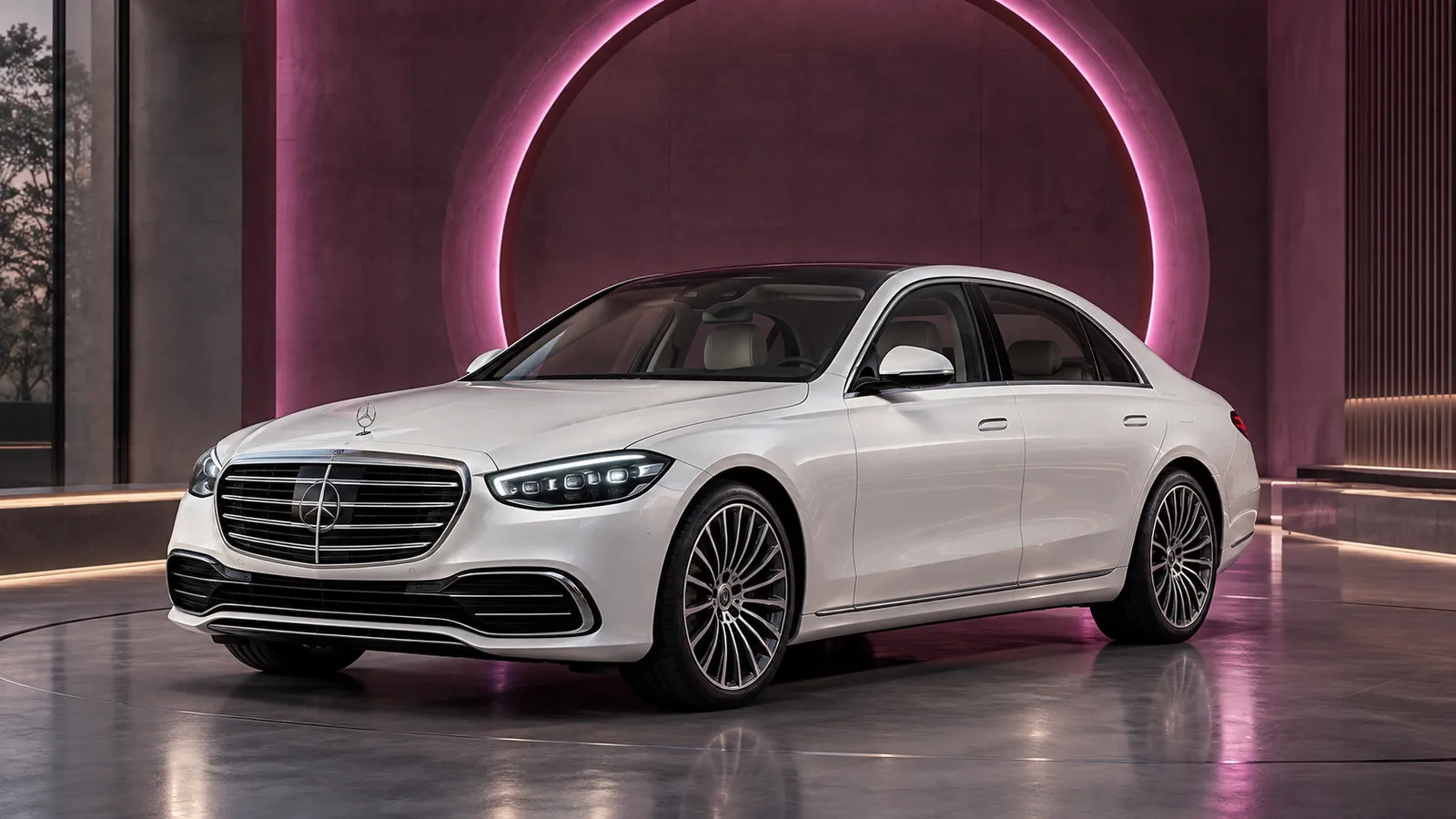
The Mercedes S-Class is one of the brand's sedan models focused on high comfort. Its main distinguishing feature is the special attention paid to the comfort of passengers as well as the driver.
Various versions of the model may feature advanced suspension systems, additional rear seat functions, sound insulation, and driver assistance technologies.
Those planning to buy an S-Class should especially check the condition of electronic control systems, comfort equipment, and pneumatic suspension if present. Repairing these components can be more expensive compared to some other sedan models.
What Do Mercedes Body Codes Mean?
In Mercedes cars, designations like W204, W212, and W213 help identify the specific body series and generation of the model.
Some of the most common examples:
Body code | Model family |
W204 | Mercedes C-Class |
W205 | Mercedes C-Class |
W212 | Mercedes E-Class |
W213 | Mercedes E-Class |
W222 | Mercedes S-Class |
Knowing the body code is especially useful when buying a used car. Two cars with the same model name may have different engine structures, electronic systems, and spare parts.
For example, a spare part designed for a Mercedes E-Class may not fit another generation of E-Class car. Exact compatibility should be checked based on the car's VIN information and technical catalog.
Mercedes Gasoline, Diesel, and Hybrid Models
Mercedes cars are offered with various engines and energy systems. The choice between gasoline, diesel, and hybrid versions depends on the driver's usage habits.
Gasoline-powered Mercedes models have different power and volume options. The car's acceleration, fuel consumption, and maintenance needs vary depending on the specific engine.
Diesel-powered Mercedes models can be attractive in terms of fuel consumption, especially for long-distance use. However, the condition of the fuel system and emission equipment in diesel cars should be carefully checked.
In hybrid Mercedes models, an electric motor works in conjunction with an internal combustion engine. Depending on the type of system, the electric motor can assist in driving or move the car on its own for a certain distance.
In plug-in hybrid versions, it is possible to charge the battery from an external power source.
When choosing an engine, it is necessary to consider not only fuel consumption but also the car's technical history and future service needs.
Mercedes Safety Systems
Driver assistance and safety technologies play an important role in Mercedes-Benz vehicles. These systems are designed to warn the driver in various situations and support them in certain functions.
Some of the brand's well-known technologies are:
PRE-SAFE: Can activate preparation measures for a possible collision when certain dangerous driving situations are detected.
ATTENTION ASSIST: Helps identify signs of driver fatigue and loss of attention.
DISTRONIC: Supports maintaining distance from the vehicle in front in appropriately equipped cars.
Active Brake Assist: Can warn about collision risk and assist in the braking process under certain conditions.
The availability of these functions depends on the car's production year, model, and trim level. Safety systems do not replace the driver's attention.
Differences Between Mercedes AMG and Maybach
The names Mercedes-AMG and Mercedes-Maybach represent two different directions of the brand.
Mercedes-AMG models focus more on high performance and dynamic driving characteristics. In these cars, engine power, braking system, suspension, and other components may differ from standard versions.
Mercedes-Maybach prioritizes passenger comfort and a luxury interior experience. Here, the quality of materials, seat functions, and rear passenger amenities are of special importance.
AMG Line and Mercedes-AMG concepts should not be confused. AMG Line can refer to a specific design and equipment package, while Mercedes-AMG covers separate performance models.
Mercedes SUV Models
When choosing between Mercedes SUV models, it is necessary to pay attention to the car's size, interior space, drivetrain, and purpose of use.
Cars like the GLC, GLE, and GLS represent different size categories. The G-Class stands out from them with its characteristic body structure and off-road capabilities.
Mercedes G-Class

The Mercedes G-Class is one of the models known for its angular body and off-road capabilities. The car's distinct design makes it easy to distinguish from the brand's other SUV models.
The G-Class has been offered in various engine and equipment versions. Certain versions of the model feature an all-wheel-drive system, differential locks, and components designed for difficult road conditions.
When buying a G-Class, it is especially important to research the car's previous usage conditions. In cars that have been used intensively off-road, additional attention should be paid to the condition of the suspension, undercarriage, and drivetrain components.
What to Look for When Buying a Used Mercedes?
When choosing a used Mercedes, the first step is to determine the engine and body series of the specific model. Because there are differences in maintenance requirements and spare parts between different generations.
It is advisable to carry out the following checks before purchase:
Checking engine operation and oil leaks.
Evaluating automatic transmission shifts.
Investigating the condition of the suspension and steering system.
Diagnostics of electronic control units.
Checking air conditioning and interior equipment.
Researching the car's accident and repair history.
Comparing service records and mileage information.
In models equipped with pneumatic suspension, it is also necessary to check the condition of the compressor and air elements.
One of the most important points when buying a Mercedes is not to rely only on the car's appearance and the advertised price. Two cars of the same model and production year can differ significantly in technical condition.
Frequently Asked Questions About Mercedes
What is the Difference Between Mercedes W212 and W213?
W212 and W213 are different generations of the E-Class model. The W213 was introduced with a newer interior design, electronic technologies, and engine variants. Exact differences depend on the car's trim level.
What is Mercedes 4MATIC?
4MATIC is the name Mercedes-Benz uses for its all-wheel-drive systems. This system helps distribute driving force between the wheels in suitable models.
What Does Mercedes AMG Line Mean?
AMG Line is an equipment package that affects the car's appearance and certain equipment. Its presence does not mean the car is necessarily a Mercedes-AMG performance model.
How to Find the Mercedes Body Code?
The car's body series can be determined through VIN information, production documents, and appropriate technical catalogs. Relying only on the model name is not enough when choosing a spare part.
How to Check Mercedes Pneumatic Suspension?
During the check, the car's height maintenance, air leaks, compressor operation, and electronic error codes are investigated. It is recommended to perform diagnostics at a specialized service for an accurate assessment.
Comments1
Sadiq Muradzadə
18.11.2026 14:41
ela