

Information About Combi Boilers: Types and Selection Guide
Combi Boilers are heating equipment used for heating living spaces and providing
Boilers
12.11.2026
50
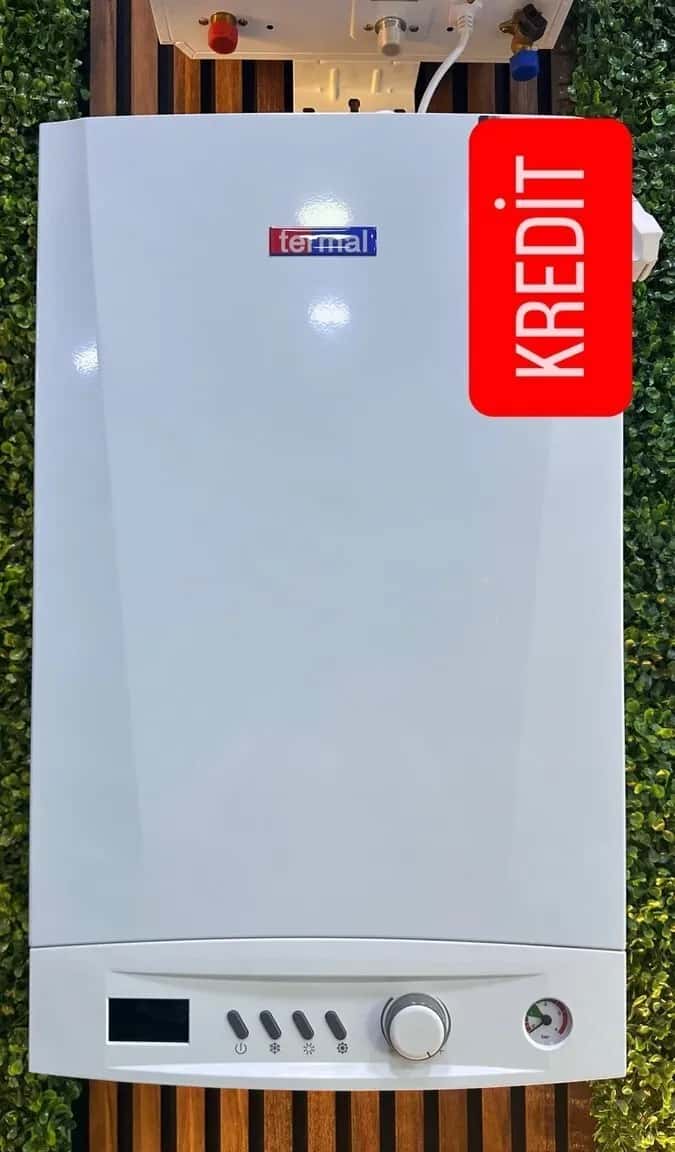
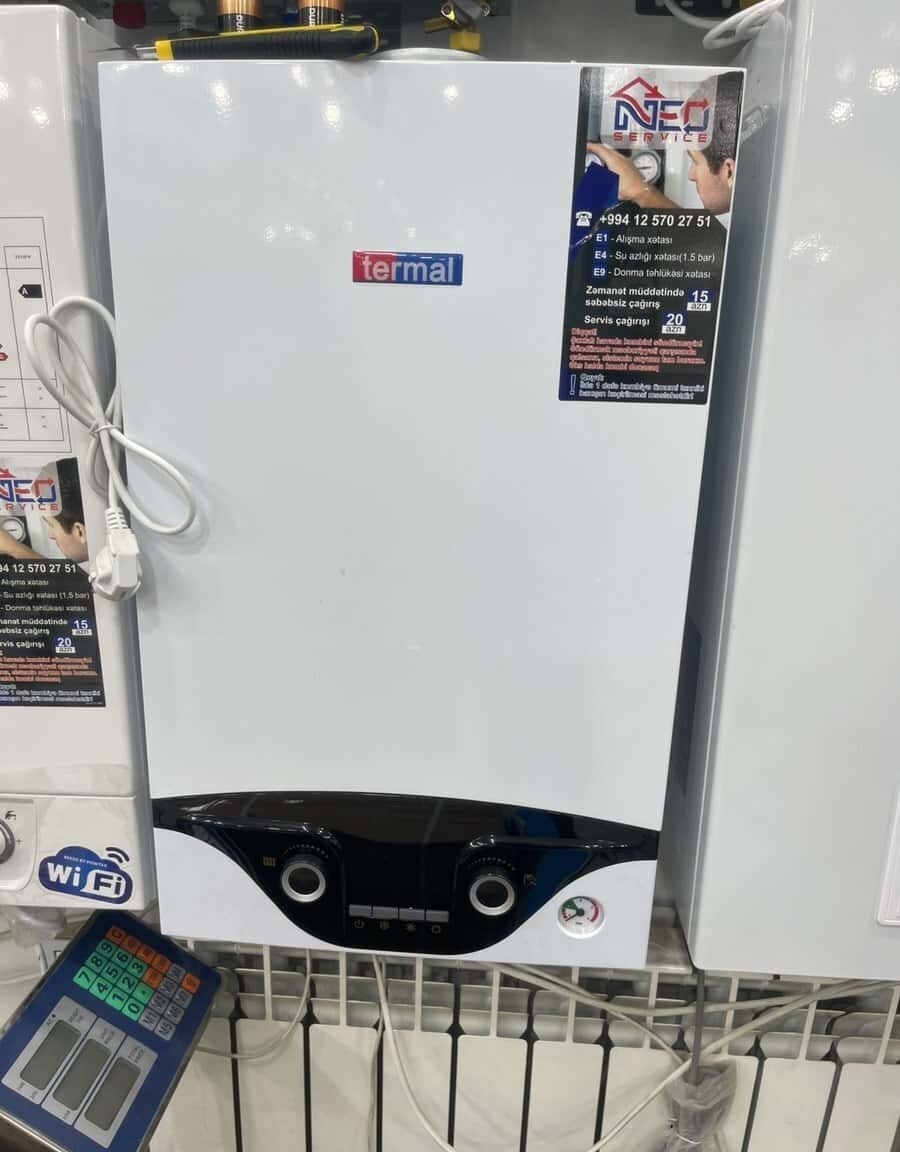
When choosing a thermal combi boiler, it is important to pay attention not only to the area of the house, but also to the total load of the radiator system, hot water usage, and the required device power. You can choose a combi boiler suitable for your heating system from models with different power capacities.
Found: 6 listings
When buying a Termal combi boiler, choosing the device's power according to the home's heating system is one of the most important issues. The availability of Termal models with different power ratings on the market creates options for different needs, from small apartments to larger living spaces.
When choosing a combi boiler, instead of just prioritizing a high kW rating, it is more appropriate to consider the home's heat loss, the total power of the radiators, and hot water usage together.
It is possible to find various power options in Termal combi boilers. A low-power model may be sufficient for a smaller heating system, while as the number of radiators and heating load increase, a higher power may be needed.
However, it is not correct to choose the power of the combi boiler based only on the square footage of the house. Ceiling height, insulation, windows, and radiator sizes should also be included in the calculation.
A dual-circuit combi boiler provides both heating for radiators and preparation of hot water for domestic use within a single system.
When choosing such a model, it is necessary to pay attention not only to the heating power but also to hot water usage. If the demand for hot water in the bathroom and kitchen is high, it is important that the device can handle this load.
The price of a Termal combi boiler can vary depending on the device's power, technical structure, and model features. Since combi boilers with higher kW ratings are designed to handle larger heating loads, price differences may arise.
When choosing, it is more correct to look at what power is actually needed for the house, not just the purchase price. Buying a model with higher power than needed does not always create an advantage.
As the heating system heats up, the volume of water in the system increases. The expansion tank helps manage the additional pressure created during this change.
When the number of radiators and the amount of water in the system are high, the suitability of the expansion tank becomes more important. When choosing a combi boiler for a large heating system, it is useful to check this indicator among the technical specifications.
In a large house, not only the square footage but also the number and size of the radiators determine the heating load that the combi boiler must meet.
For example, if one of two houses with the same area has more and larger radiators, the water volume and heating demand of the system may be different. Therefore, it is a more correct approach to choose the combi boiler according to the existing heating system.
The appropriate power should be selected by taking into account the house area, heat loss, number of radiators, and hot water usage.
The price may vary mainly depending on the model's power, technical specifications, and sales offer.
The 24 kW model can be considered for systems with lower heating loads. Specific suitability should be determined based on the home's heating calculation.
Choosing more power than necessary can cause the device to operate in a non-optimal mode. Therefore, power should be selected based on calculations.
No. Along with the price, power, radiator system, hot water demand, warranty, and technical specifications should also be evaluated together.