

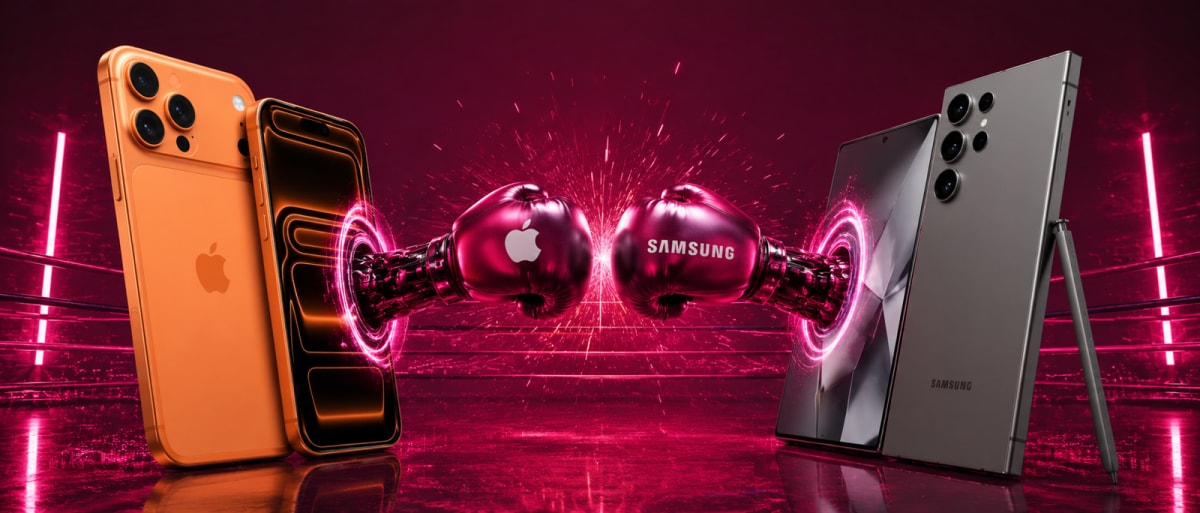
Samsung or iPhone: Which is More Logical to Choose?
Mobile phone When thinking about buying, Samsung and iPhone are among the most compared options. Both brands have been among the most well-known manufacturers in the mobile phone market for many years with their innovative technologies, high-performance devices, and large user base. However, this does not mean that they are equally suitable for every user.
Mobile phone When choosing, relying only on brand popularity is not the right approach. Factors such as purpose of use, budget, operating system, camera capabilities, performance, battery life, software updates, and ecosystem should be evaluated together. These criteria directly affect daily ease of use and long-term satisfaction.
Samsung meets different user needs by offering a wide selection of models in various price segments. iPhone, on the other hand, stands out with its optimized software, long-term software support, and Apple ecosystem. Which one is the better choice depends on how you will use the phone.
In this guide, we will compare Samsung and iPhone models in terms of design, screen, performance, camera, battery, operating system, price, and user experience. At the end of the article, it will be easier to determine which brand is more suitable for which user.
If you want to get general information about choosing a mobile phone, it is recommended to first read the guides Key Points to Consider When Buying a Mobile Phone and What Features Should Be Considered When Choosing a Phone?.
Key Differences Between Samsung and iPhone
Although Samsung and iPhone are the most popular mobile phone brands on the market, their approaches are different. Both manufacturers make high-quality devices, but the experience, software, and model strategy they offer to users are not the same.
Samsung has a wide range of products. It offers mobile phones in various price ranges from entry-level to premium models. This allows users to make a choice that suits both their budget and their needs. Thanks to the Android operating system, customization options are also wider.
Although iPhone models have a more limited model line, they stand out with the high-level optimization of software and hardware compatibility. For those who use the Apple ecosystem, data exchange, synchronization, and security advantages are offered between devices.
The main differences appear in the following areas:
Design and ease of use
Screen technology
Performance and system optimization
Camera capabilities
Battery and power management
Android and iOS differences
Price and long-term value
Ecosystem and compatibility with additional devices
Evaluating each of these criteria separately helps in choosing the right mobile phone. In the next sections, we will compare each of these features in more detail.
How Does Design and Screen Affect the Choice?
One of the first things to notice when buying a phone is its design and screen quality. Since the device is used many times throughout the day, its comfortable feel in the hand, screen size, and image quality affect the long-term user experience. Therefore, when making a choice, it is important to pay attention not only to the appearance but also to the capabilities offered by the screen.
Samsung phones stand out with different screen sizes and model variety. In addition to small-screen models, alternatives such as large screens, high refresh rates, and foldable phones are also offered. This can be an advantage, especially for people who play games, watch videos, and use multiple applications at the same time.
iPhone models maintain a more uniform design line. Apple pays special attention to material quality, screen color accuracy, and touch sensitivity. If a simple, stable, and long-lasting device is more important to you, these features should be considered when choosing.
Does Performance Really Make a Difference in Daily Use?
The speed of a phone is not determined only by the power of the processor. RAM, memory technology, software optimization, and operating system together affect the overall performance of the device. Therefore, it is necessary to look at technical specifications not individually, but as a whole.
Performance on Samsung phones varies depending on the model. While entry-level devices are sufficient for daily use, premium series are intended for users who work with high-graphics games, video editing, and multiple applications.
In iPhone models, since hardware and software are optimized together, applications run more smoothly and stable performance is maintained for a long time. This can be considered an advantage, especially for users who plan to use the same phone for several years.
What to pay attention to?
Processor performance
RAM capacity
Internal memory speed
Software optimization
Long-term software updates
When choosing a mobile phone, it is important to consider not only the technical specifications but also the purpose for which you will use the device.
Which is More Suitable for Photo and Video Shooting?
For many users, the camera is the main factor influencing the choice of phone. However, a good camera does not just mean a high megapixel count. Sensor size, optical image stabilization, software, and video capabilities also have a significant impact on the final result.
Samsung phones stand out with their extensive camera systems and different lens options. Ultra-wide-angle, telephoto, and high-resolution sensors create more flexibility in various shooting scenarios.
iPhone models are known especially for video shooting, natural color reproduction, and stable image processing. Users who frequently prepare photos and videos for social networks can consider these features.
It is recommended to compare the following features when choosing a phone:
Day and night shooting
Portrait mode
Video quality
Optical image stabilization (OIS)
Zoom capabilities
What to Look for When Comparing Battery Performance?
One of the features that users pay the most attention to when choosing a phone is how long the battery lasts. However, making a decision by looking only at the battery capacity (mAh) is not considered the right approach. Because the energy efficiency of the processor, screen technology, software optimization, and usage habits also directly affect the actual battery life.
Different battery capacities and charging technologies are offered on Samsung phones depending on the model. Most models in the mid and premium segments, in particular, support fast charging and wireless charging functions.
In iPhone models, battery performance is optimized with iOS's power management. For this reason, even if the battery capacity appears lower on paper, it can show stable results during daily use.
It is more useful to compare the following points when buying a phone:
Screen-on time during daily use
Fast charging support
Wireless charging capabilities
Long-term battery durability
Power consumption management by software
What Changes in Android and iOS User Experience?
One of the biggest differences between Samsung and iPhone is the operating system they use. Samsung phones run on Android, while iPhone models run on iOS. Although both platforms are highly developed in terms of security, app support, and productivity, there are certain differences in user experience.
Android offers wider customization options. It is possible to change the look of the home screen, select different apps as standard, and adapt the system to personal requirements.
iOS stands out with a simpler and more stable user experience. Data exchange between Apple devices, synchronization of backups, and other ecosystem functions make it easier to use.
If you are already using Android devices, switching to Samsung models may be easier. For those who use the Apple ecosystem, choosing an iPhone is considered more suitable.
Is the Price Difference Really Justified?
Price is one of the main factors influencing the choice of phone. However, to make the right decision, it is necessary to consider not only the purchase price but also the long-term value of the device.
Samsung offers a wide selection of models for different budgets. The availability of various alternatives in entry, mid, and premium segments allows users to make a choice that suits their needs.
Although iPhone models are mainly in the premium segment, they are considered a long-term investment by many users due to long-term software updates, high resale value, and stable performance.
What Factors are More Important When Choosing Between Samsung and iPhone?
There is no single answer that is right for everyone when choosing between Samsung and iPhone. The most suitable phone is the one that fits your daily usage style.
Before making a decision, you can ask yourself these questions:
What will I mainly use the phone for?
Is the camera more important to me, or performance?
Are long-term software updates important to me?
Am I more used to using Android or iOS?
Which price range does my budget fit into?
How many years do I plan to use the phone?
After answering these questions, it will be easier to make a choice. Both Samsung and iPhone offer successful models for different user groups. The main issue is to determine the model that suits your needs.
Conclusion
The answer to this question depends on your purpose of use, budget, and expectations. Samsung stands out with its wide selection of models, different price segments, and the flexibility of the Android platform. iPhone, on the other hand, is distinguished by its long-term software support, optimized performance, and Apple ecosystem.
When choosing a phone, looking at performance, camera, battery, software, price, and long-term usage value together, not just the brand, will help you make a more correct decision.
In addition to the brand, it is important to consider other technical specifications when choosing a phone. For more detailed information, you can read our guide on key points to consider when buying a mobile phone key points to consider when buying a mobile phone.
Comments0
Be the first to comment
Share your thoughts on this article