







Why Should You Pay Attention to the Snow Effect When Choosing a Snowy Christmas Tree?
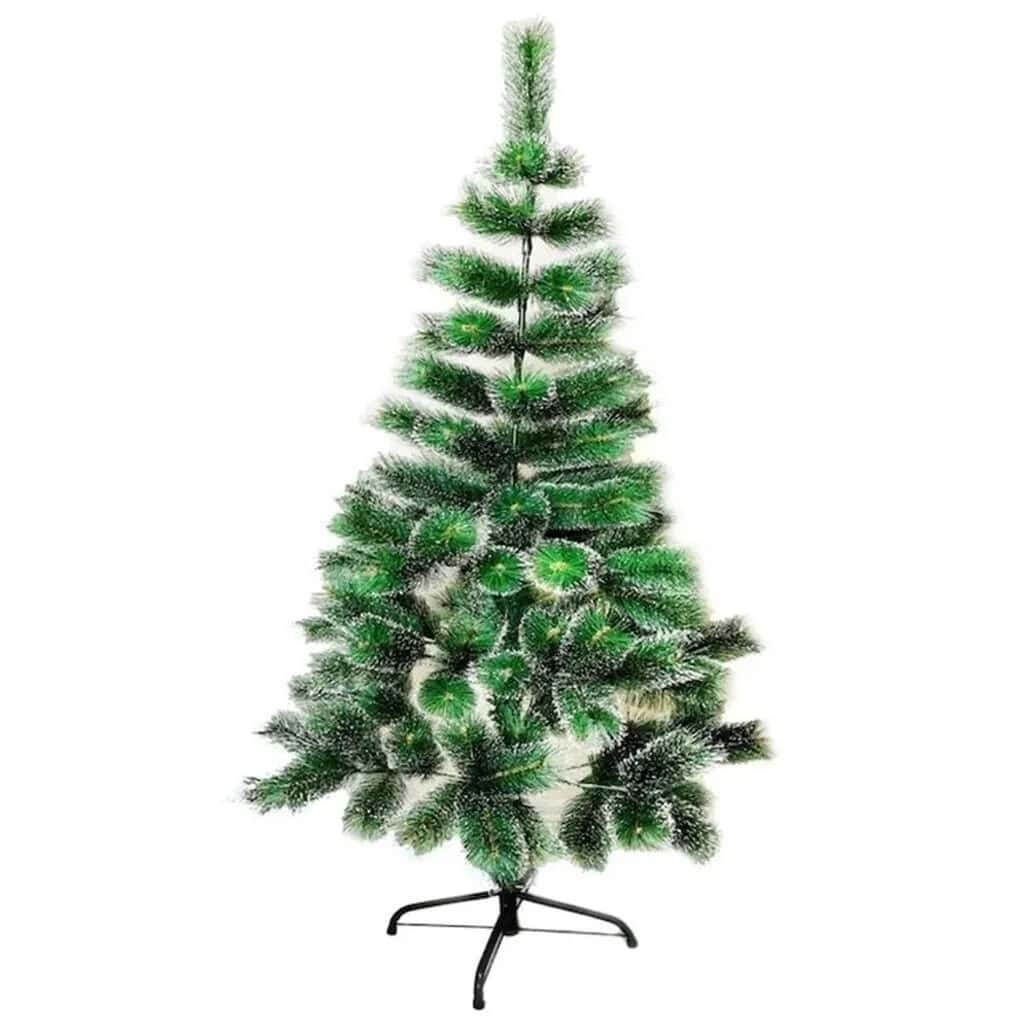
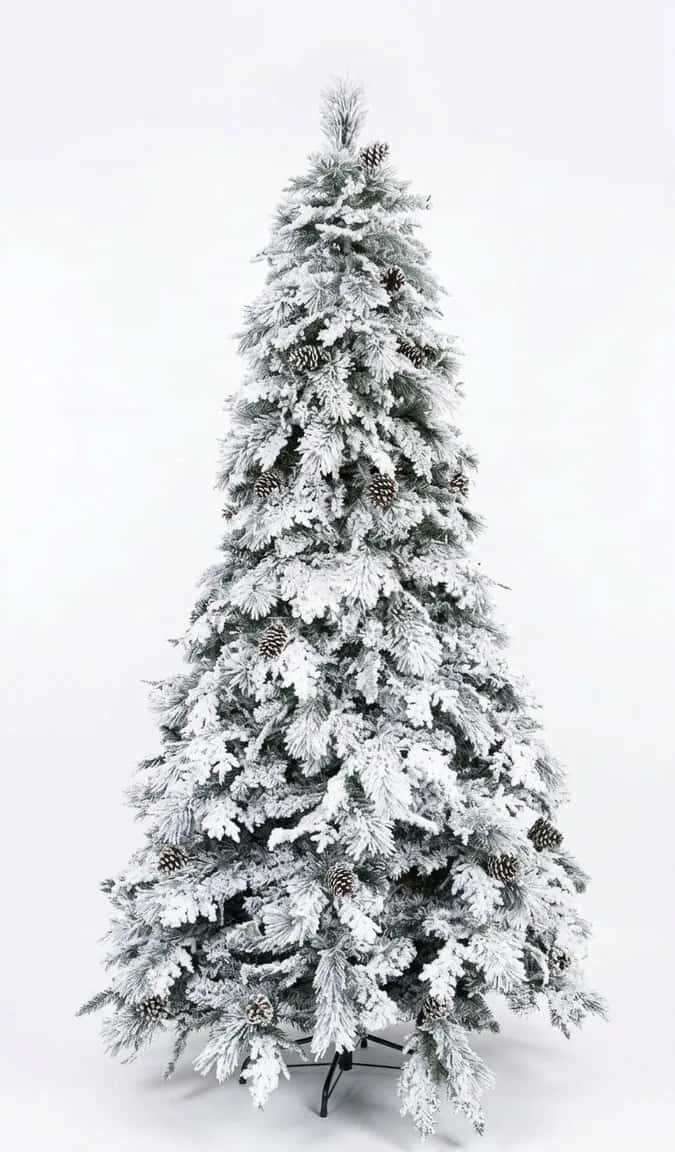
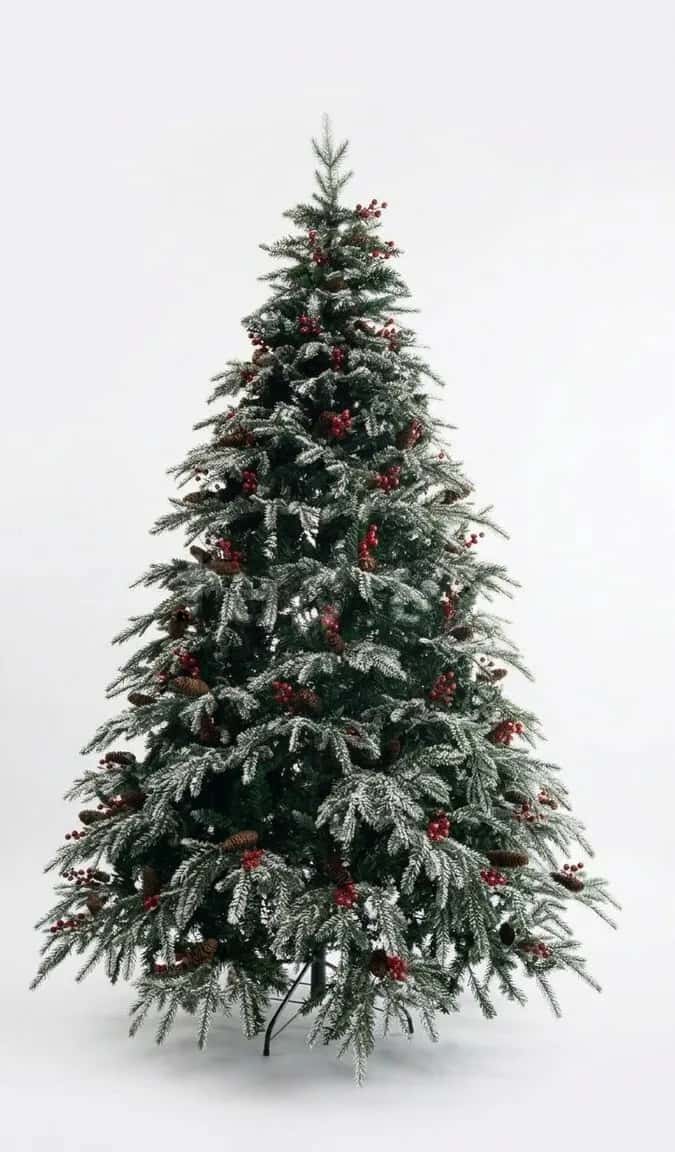
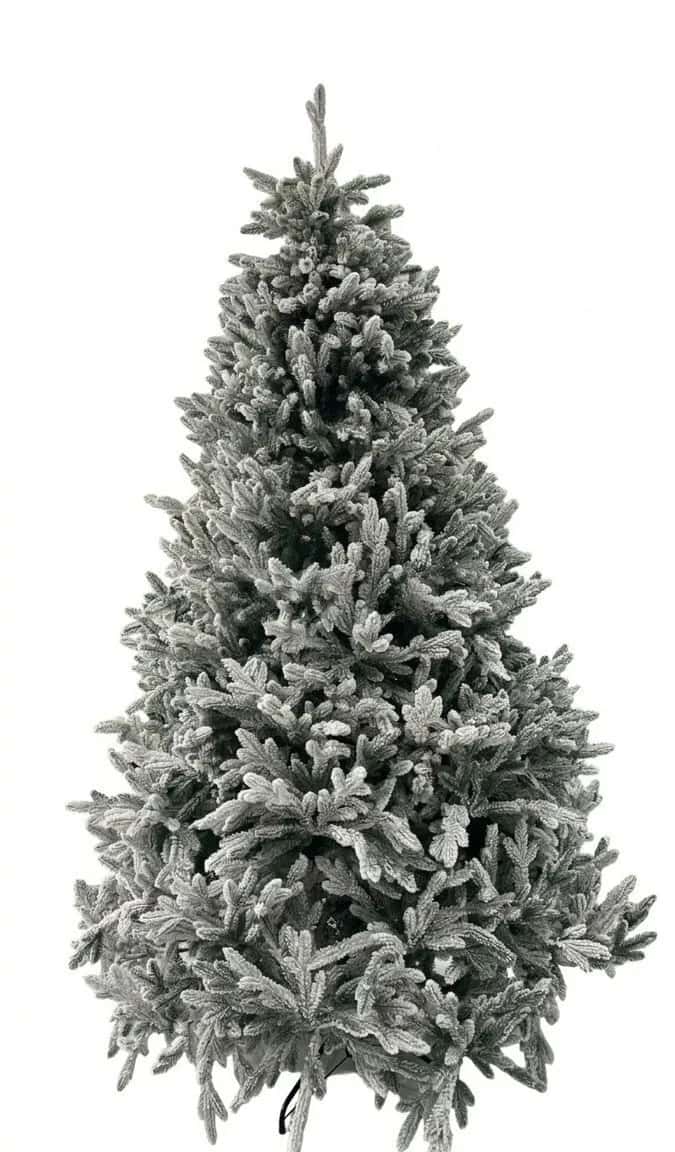
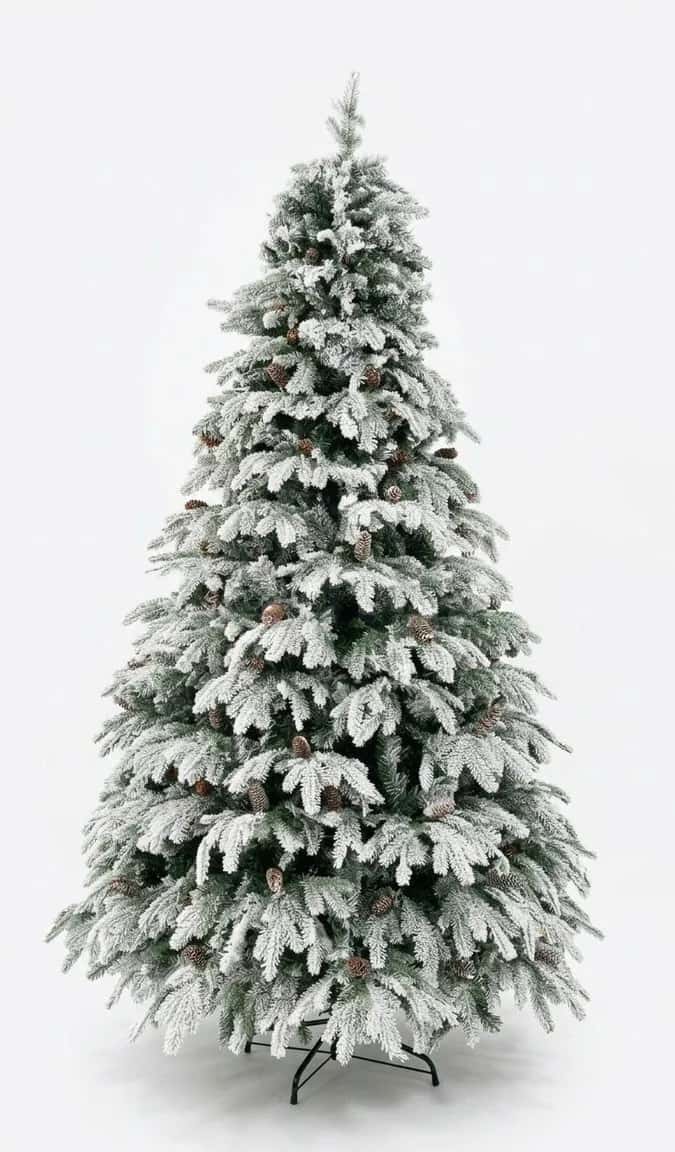
A snowy Christmas tree is one of the options chosen to bring the snowy look of a natural pine tree into home decor. The amount of snow cover, its placement on the branches, and the shade of white can vary in different models. Therefore, when choosing a snowy Christmas tree, it is useful to look not only at the height but also at how natural the white cover looks and how the tree appears when illuminated.
How Dense Should the Snow Effect Be on a Snowy Christmas Tree?
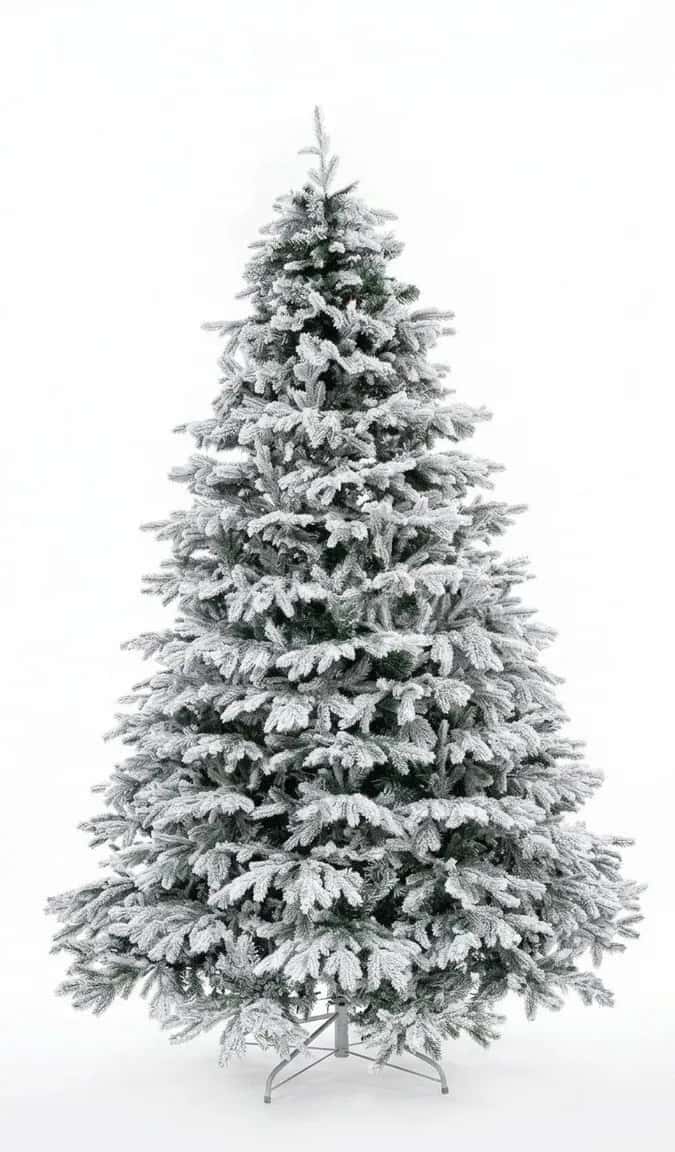
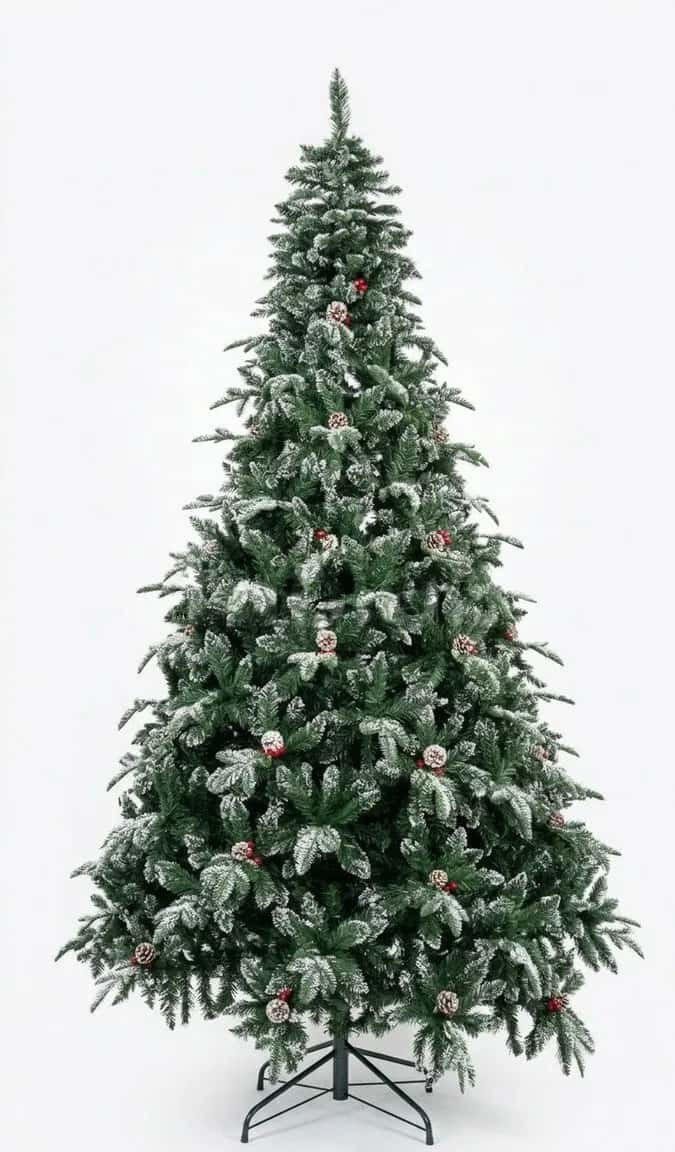
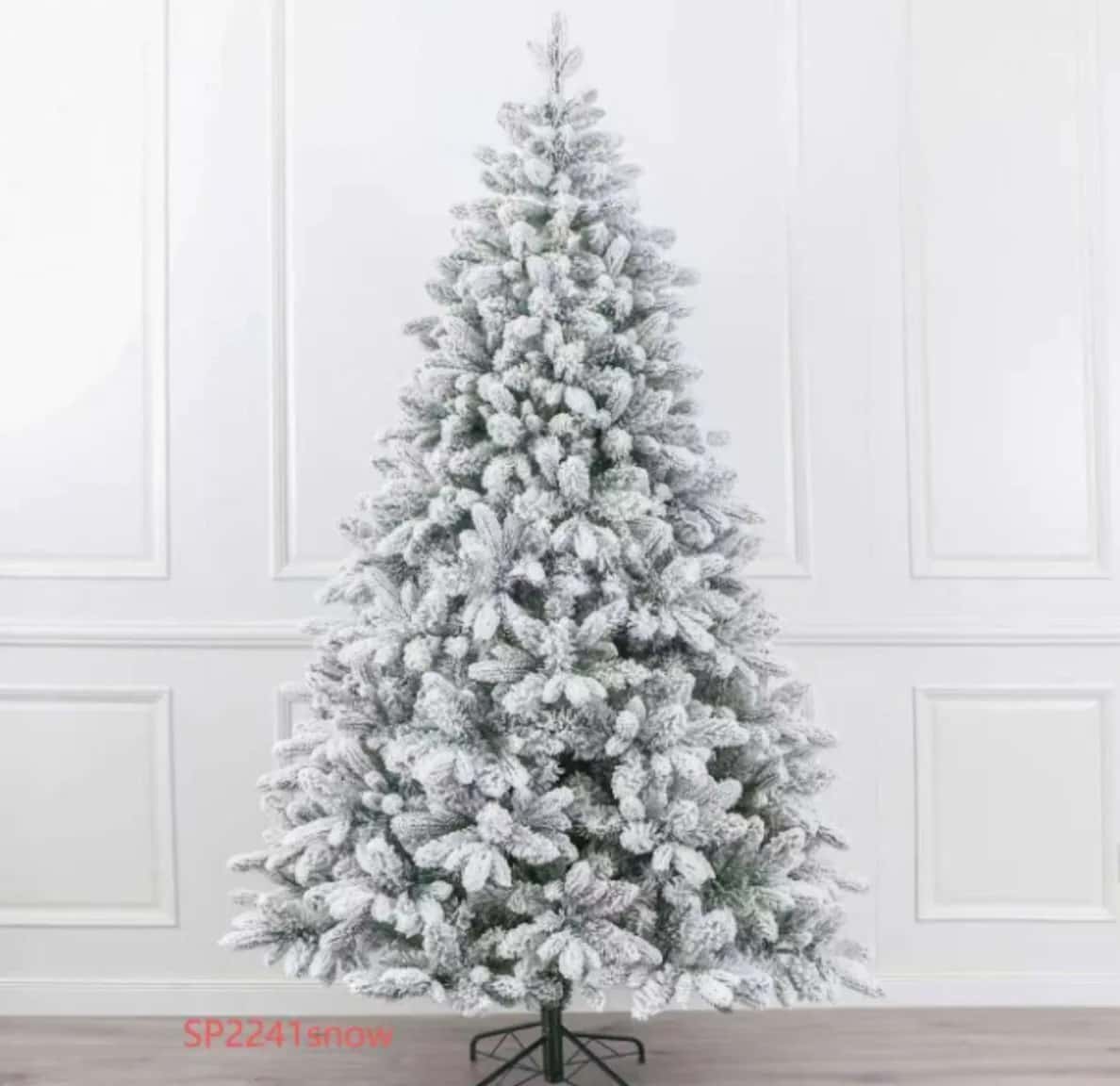
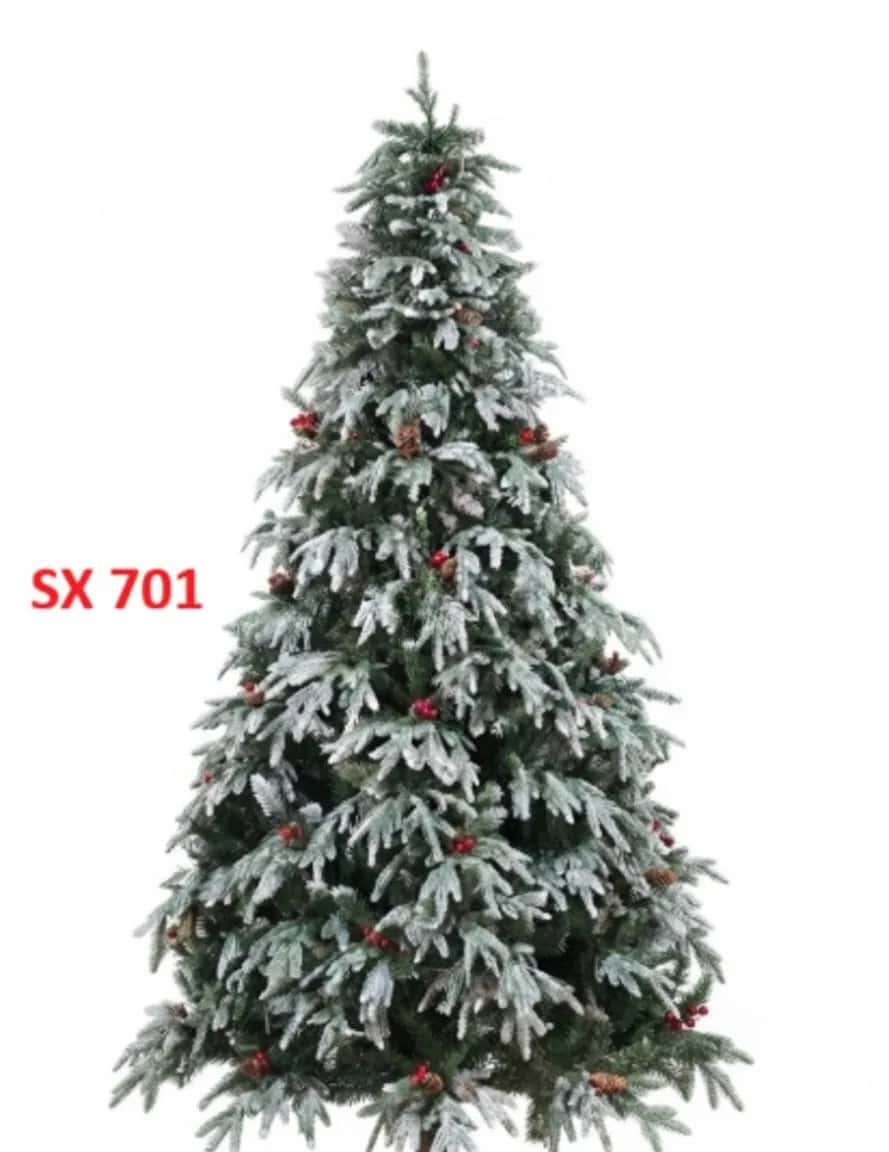
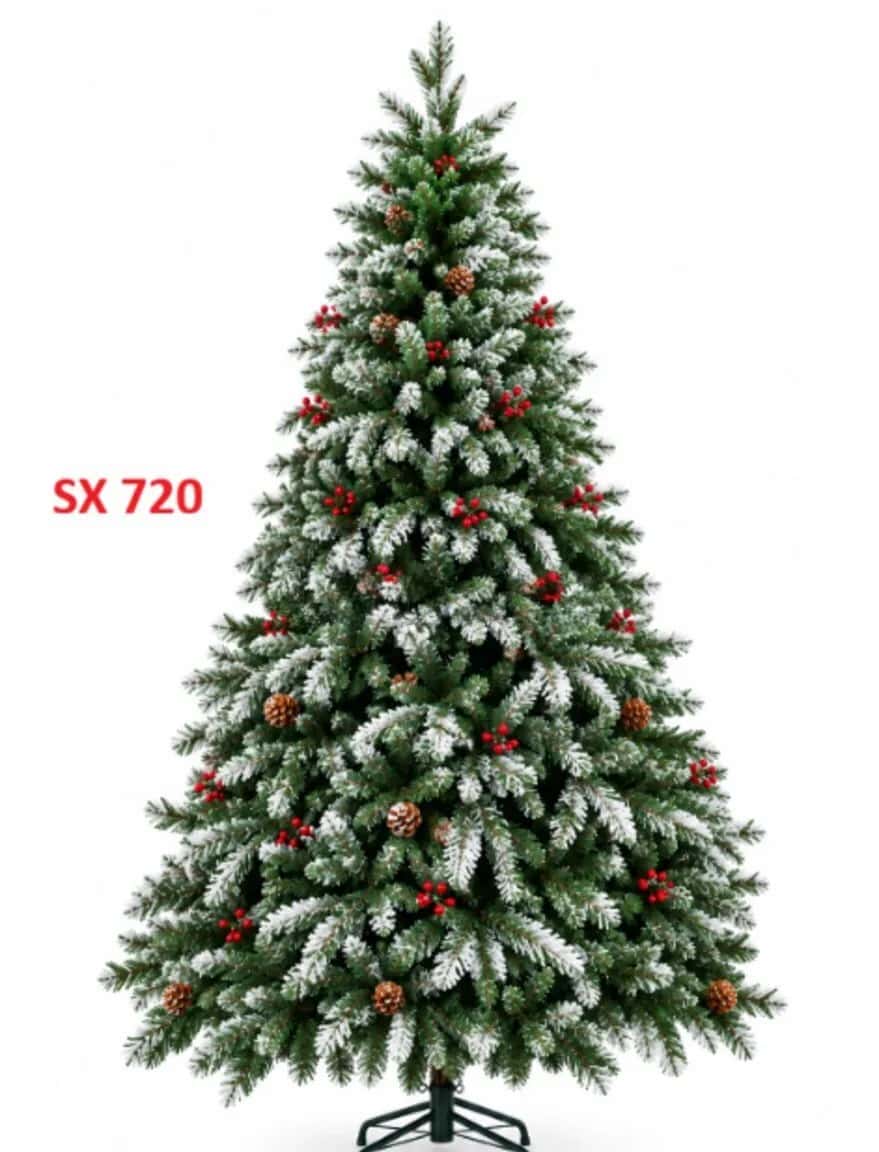
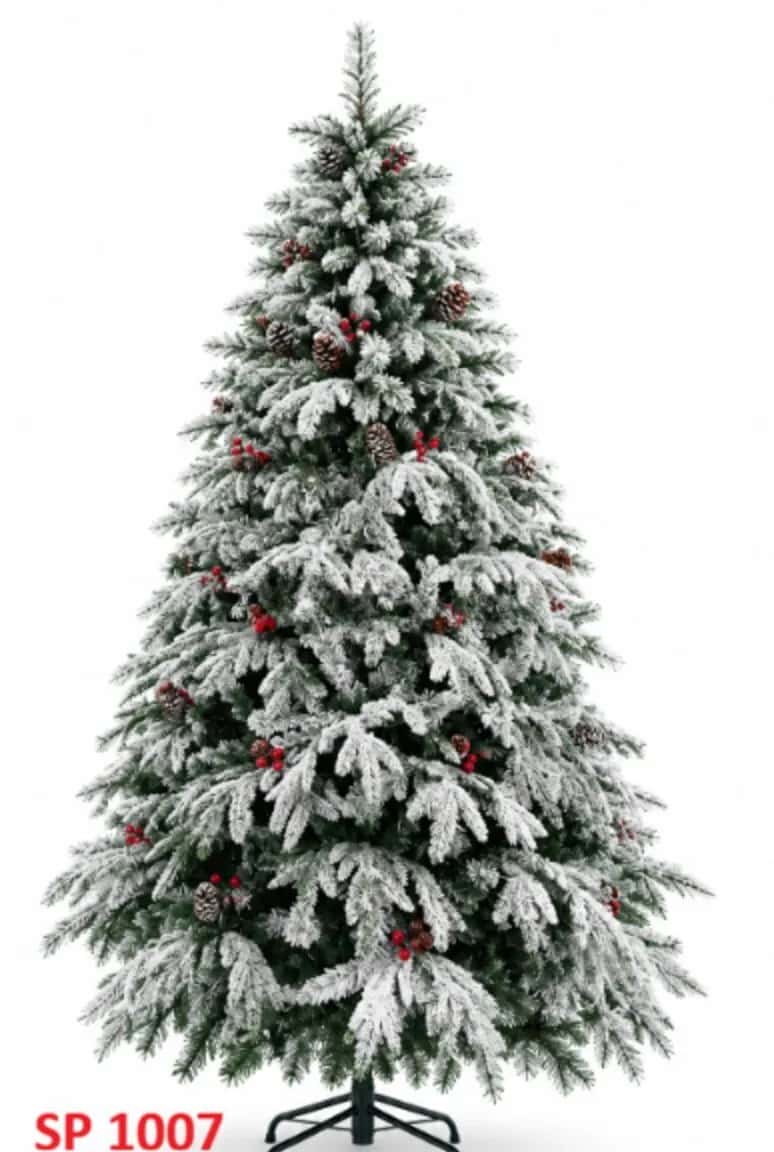
In snowy Christmas tree models, the white cover can be applied fully or partially.
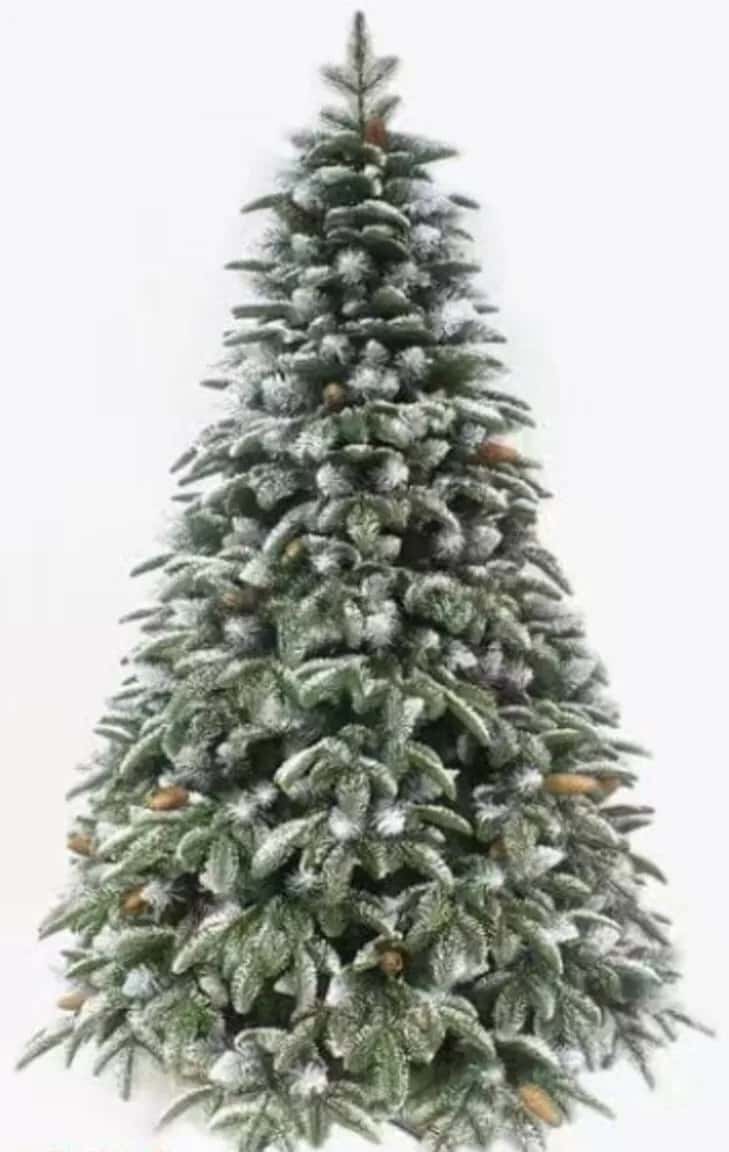
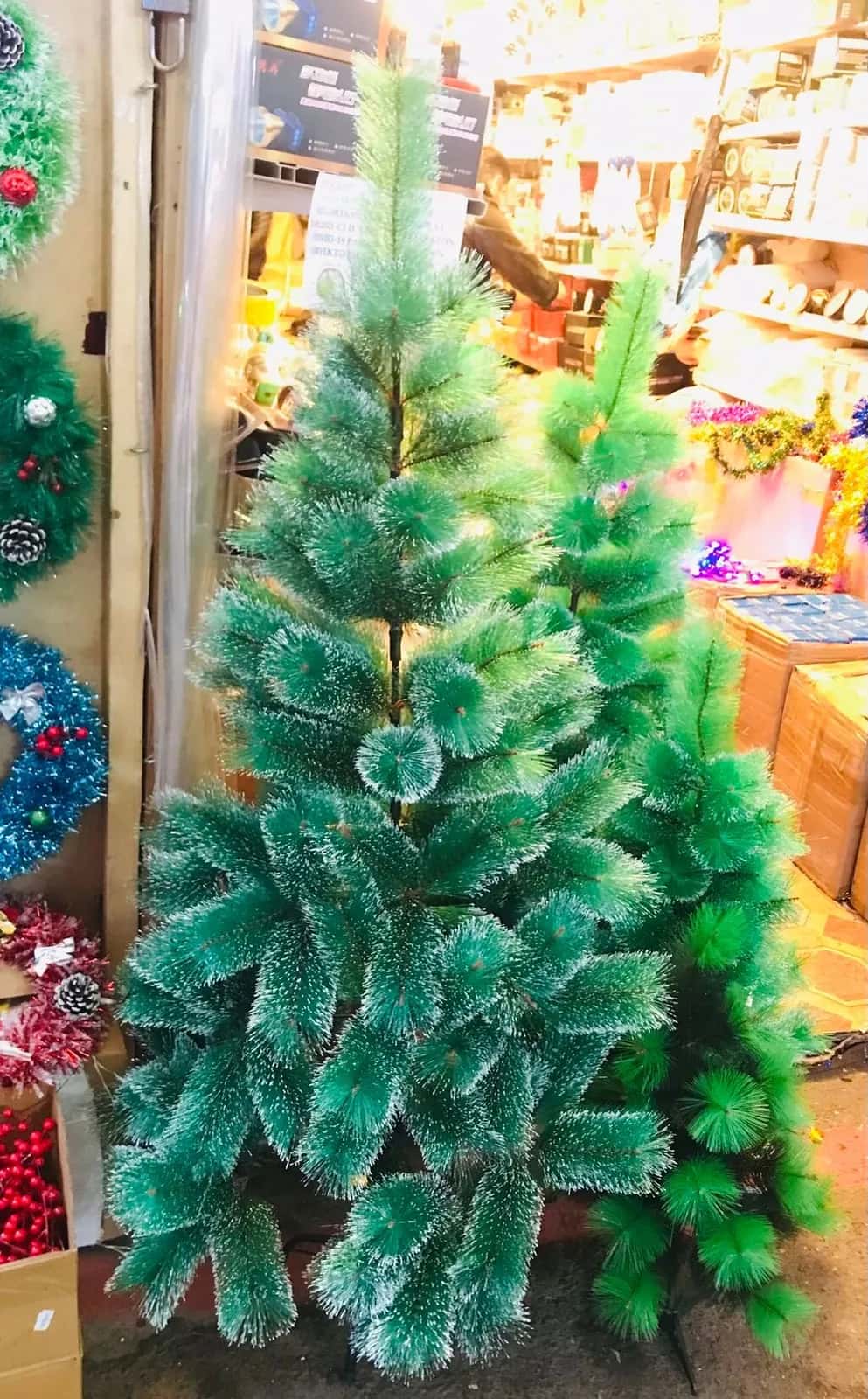
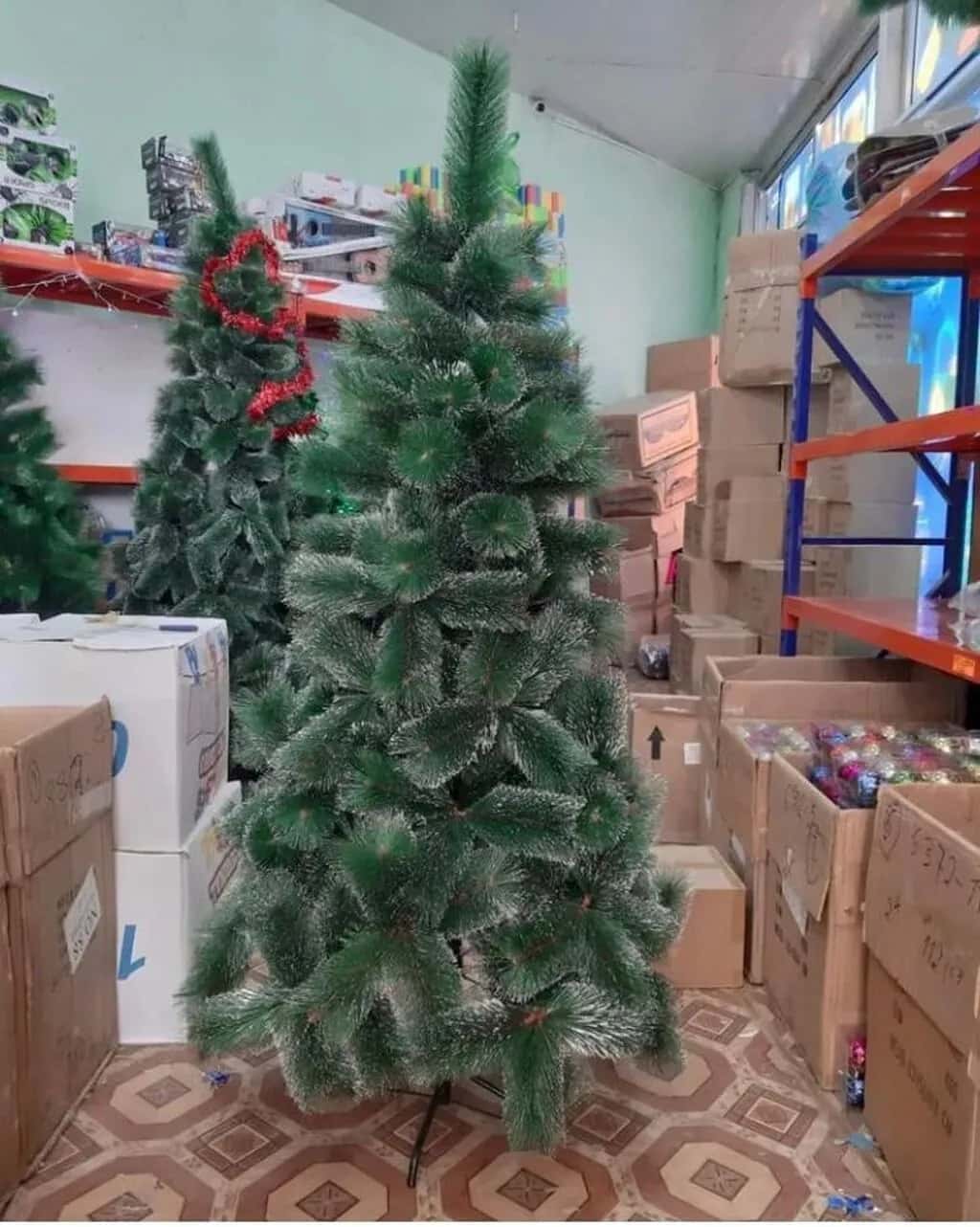
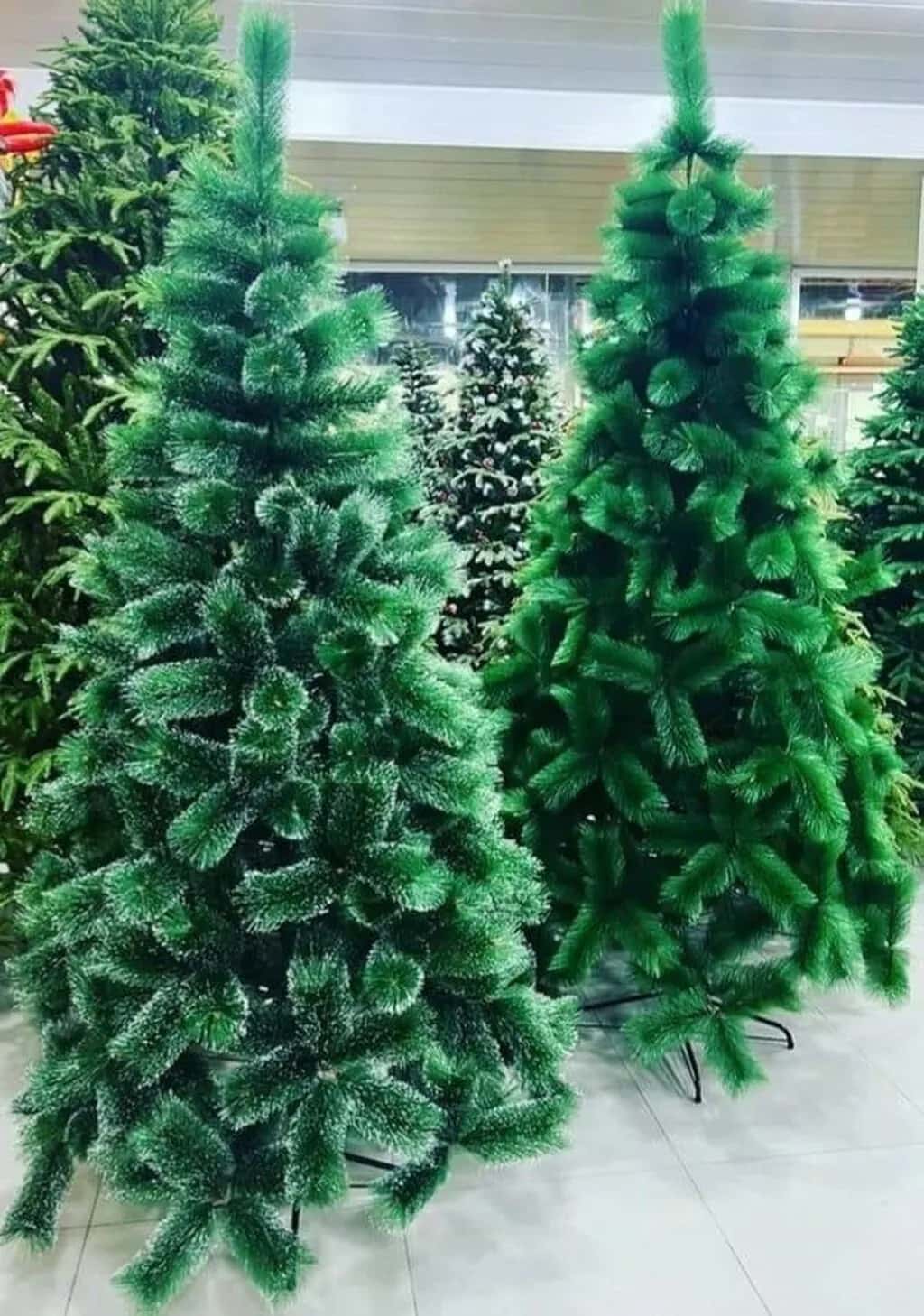
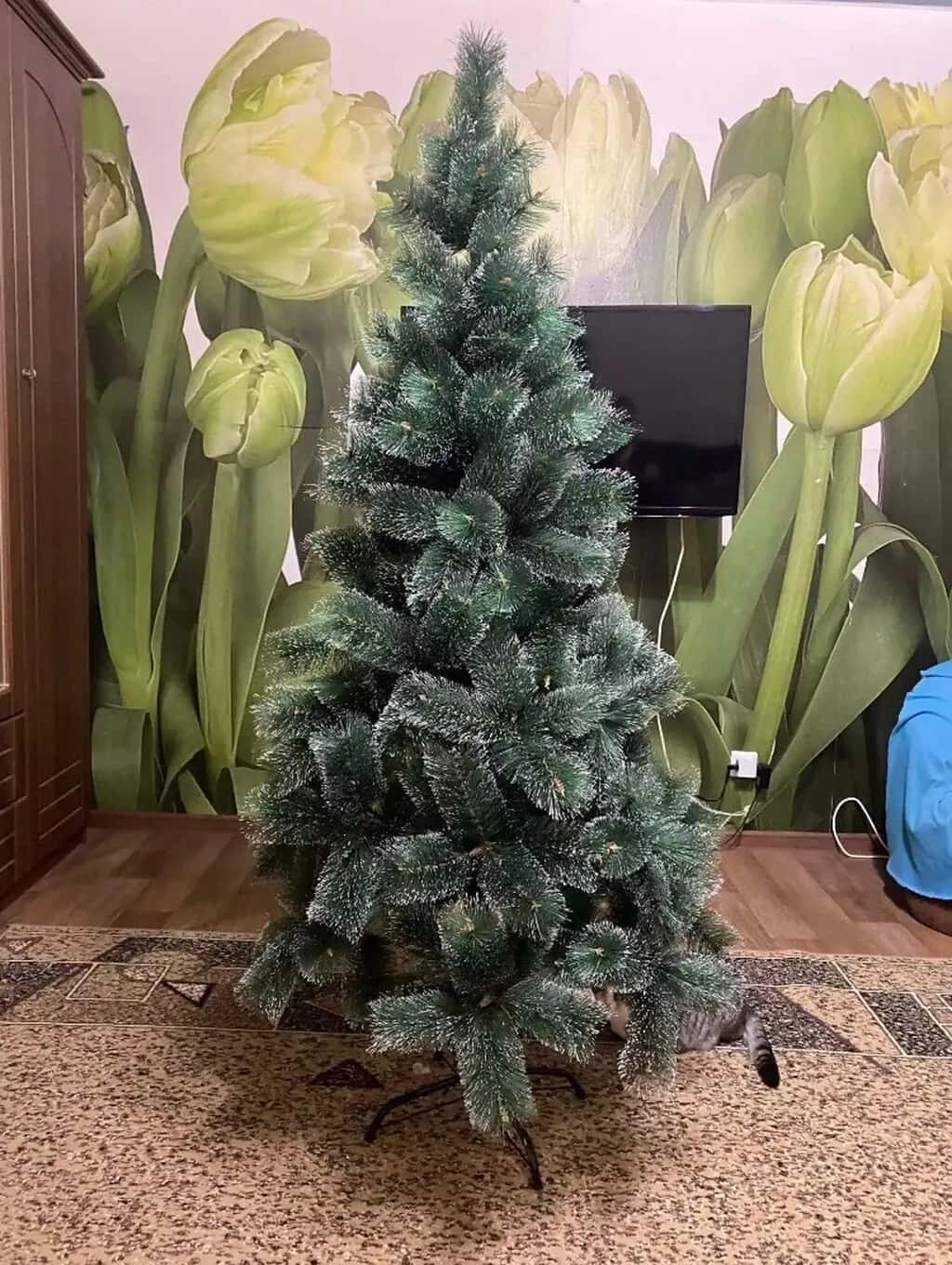
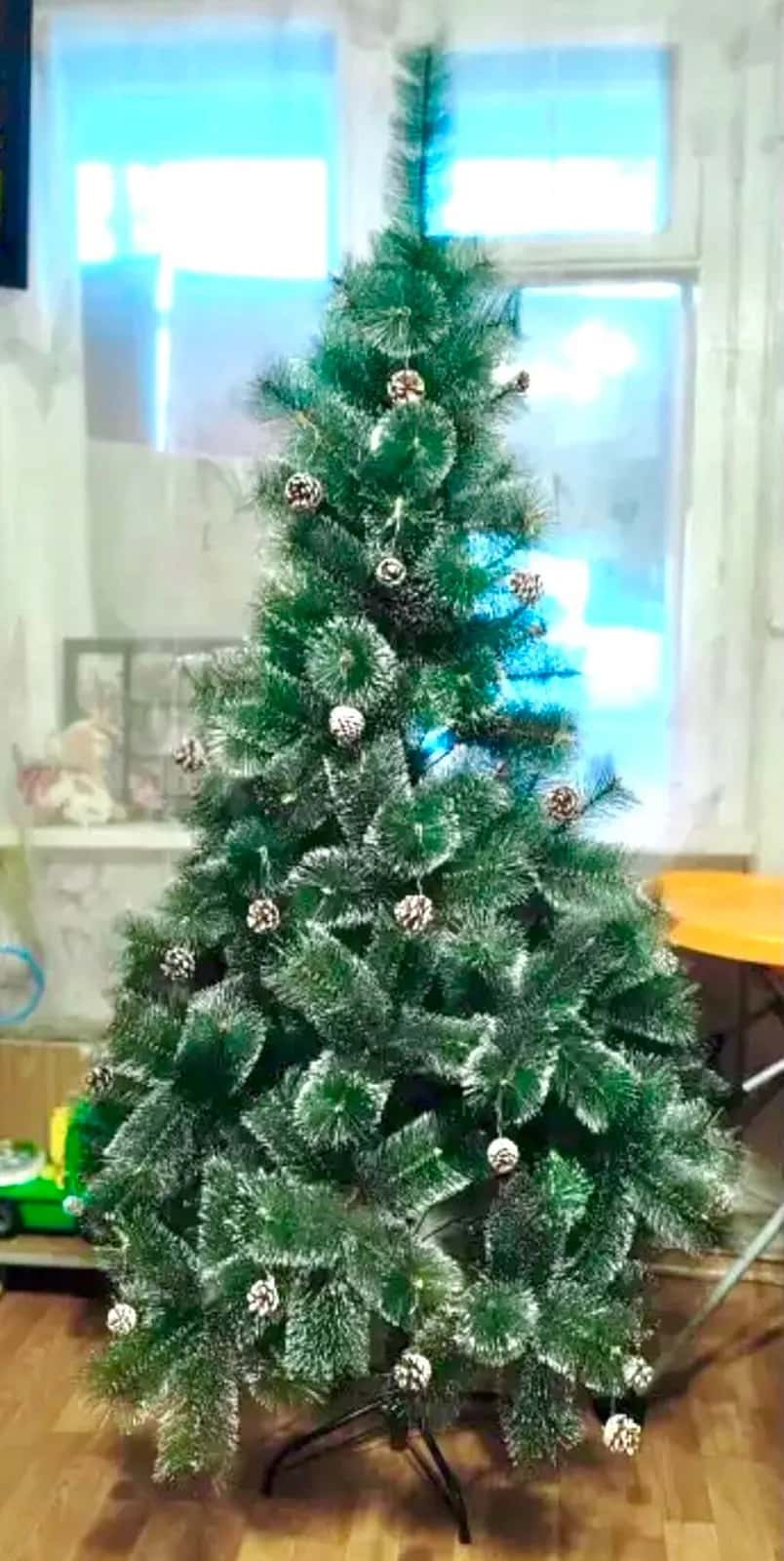
A denser snow effect gives the tree a full winter look. A lighter cover can create a more natural appearance by keeping the green branches visible.
The choice depends on the decoration style you want to create at home.
How Does a Snowy Christmas Tree Look with Lights?
Lighting on a snowy Christmas tree can make the white cover more noticeable.
Warm white lights create a softer and more classic look. Cool white lights can make the snow effect appear brighter.
When choosing the light color, the color of the ornaments should also be taken into account.
What Decorations Are Suitable for a Snowy Christmas Tree?
A snowy Christmas tree can be matched with ornaments in gold, silver, red, and champagne tones.
Since the snow cover already creates a decorative look, there may be no need to use a large number of ornaments.
A more minimal decoration can keep the snowy branches of the tree in the foreground.
Does the Snow Cover Shed When Buying a Snowy Christmas Tree?
In some snowy Christmas tree models, the snow effect may shed to some extent during installation and opening the branches.
For this reason, it is useful to pay attention to how the cover is applied to the branches when purchasing.
Not pulling the branches hard when installing the tree can help better preserve the snow effect.
Which Rooms Is a Snowy Christmas Tree Suitable For?
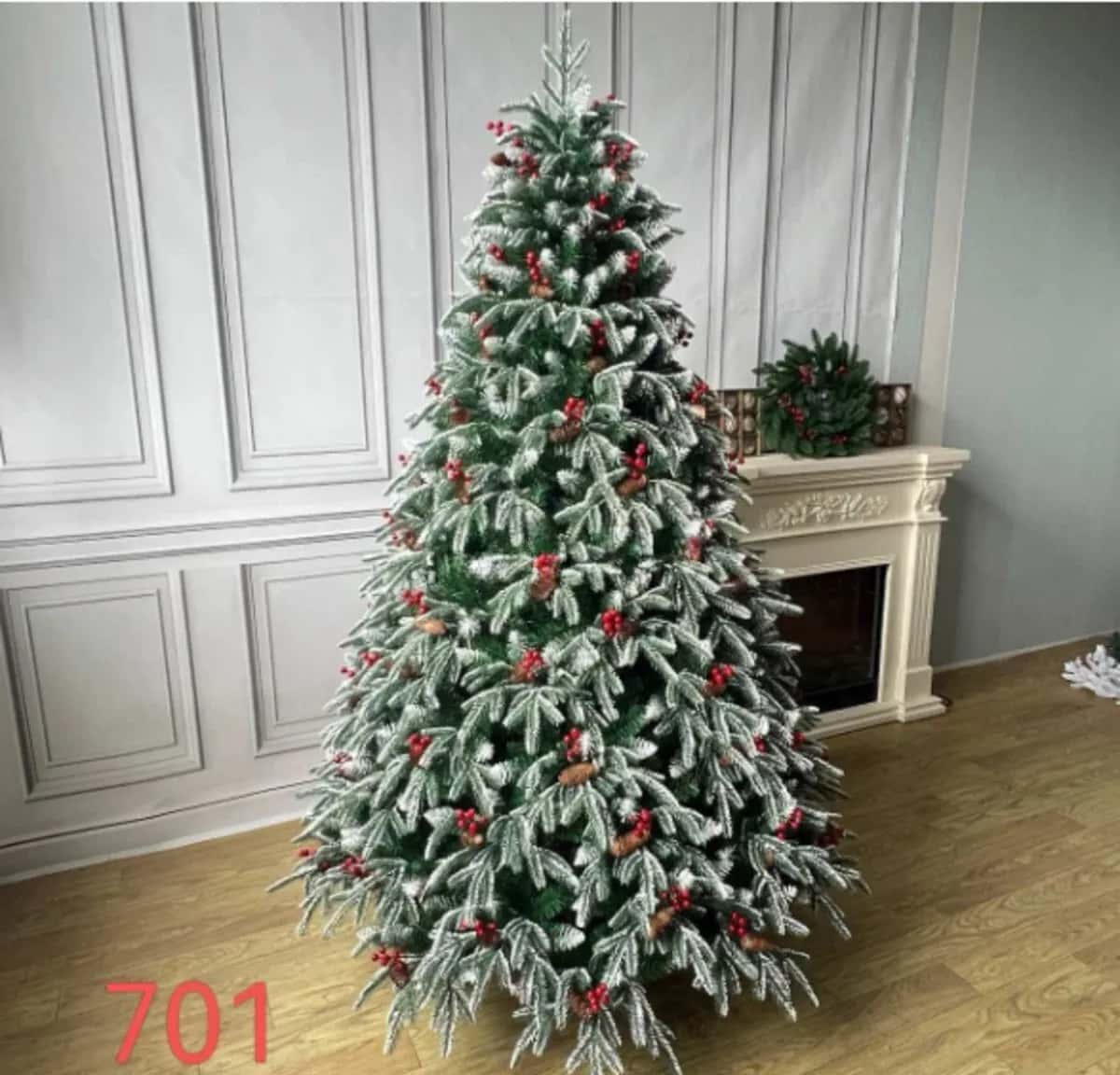
A snowy Christmas tree can be used in both classic and modern interiors.
It creates a softer look in light-colored rooms and a more contrasting appearance in interiors with dark furniture.
When a height suitable for the size of the room is chosen, the tree looks more balanced as the main element of the decoration.
How Does a Snowy Christmas Tree Differ from a Green Christmas Tree?
The main difference is the snow effect on the branches.
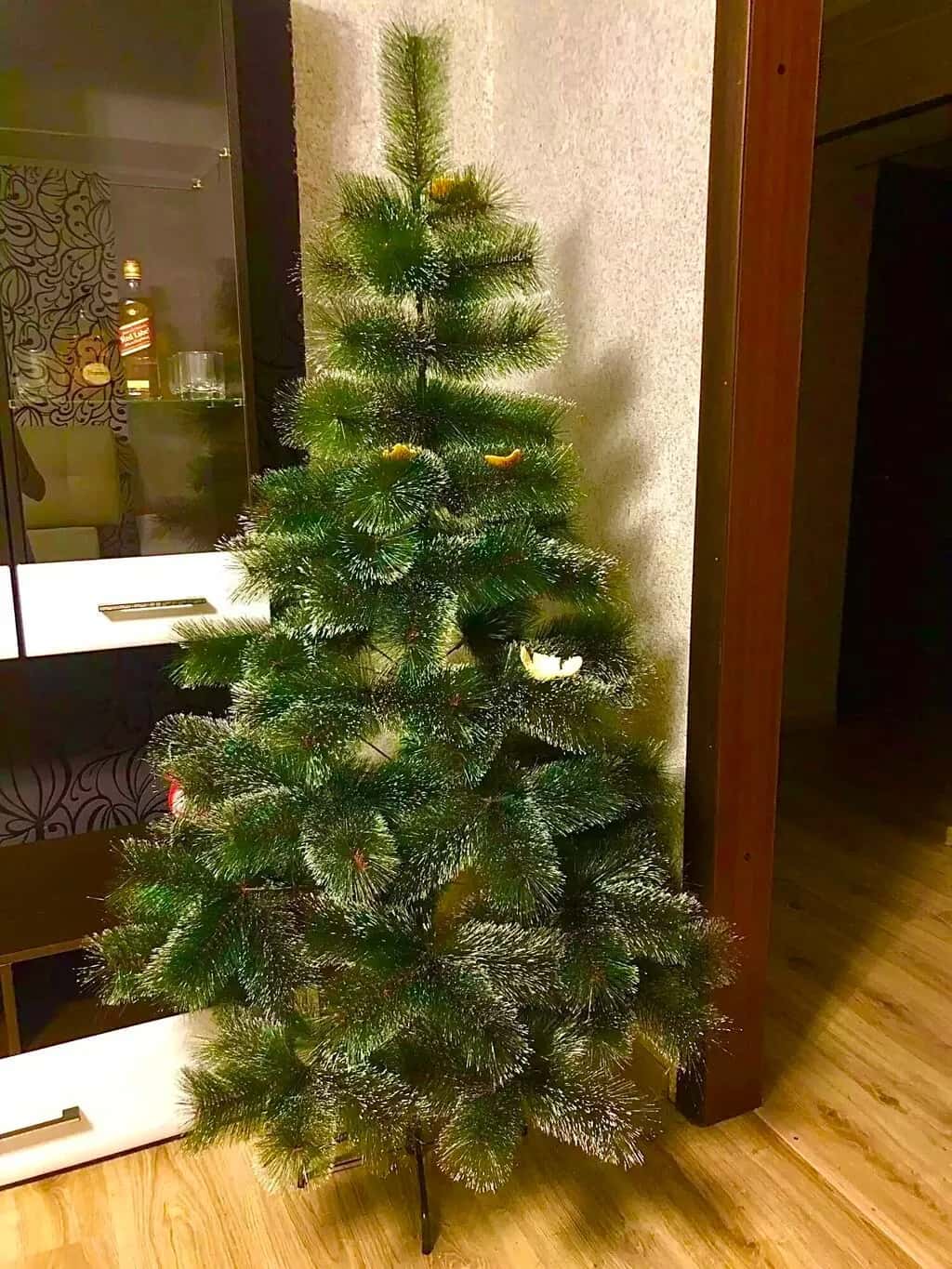
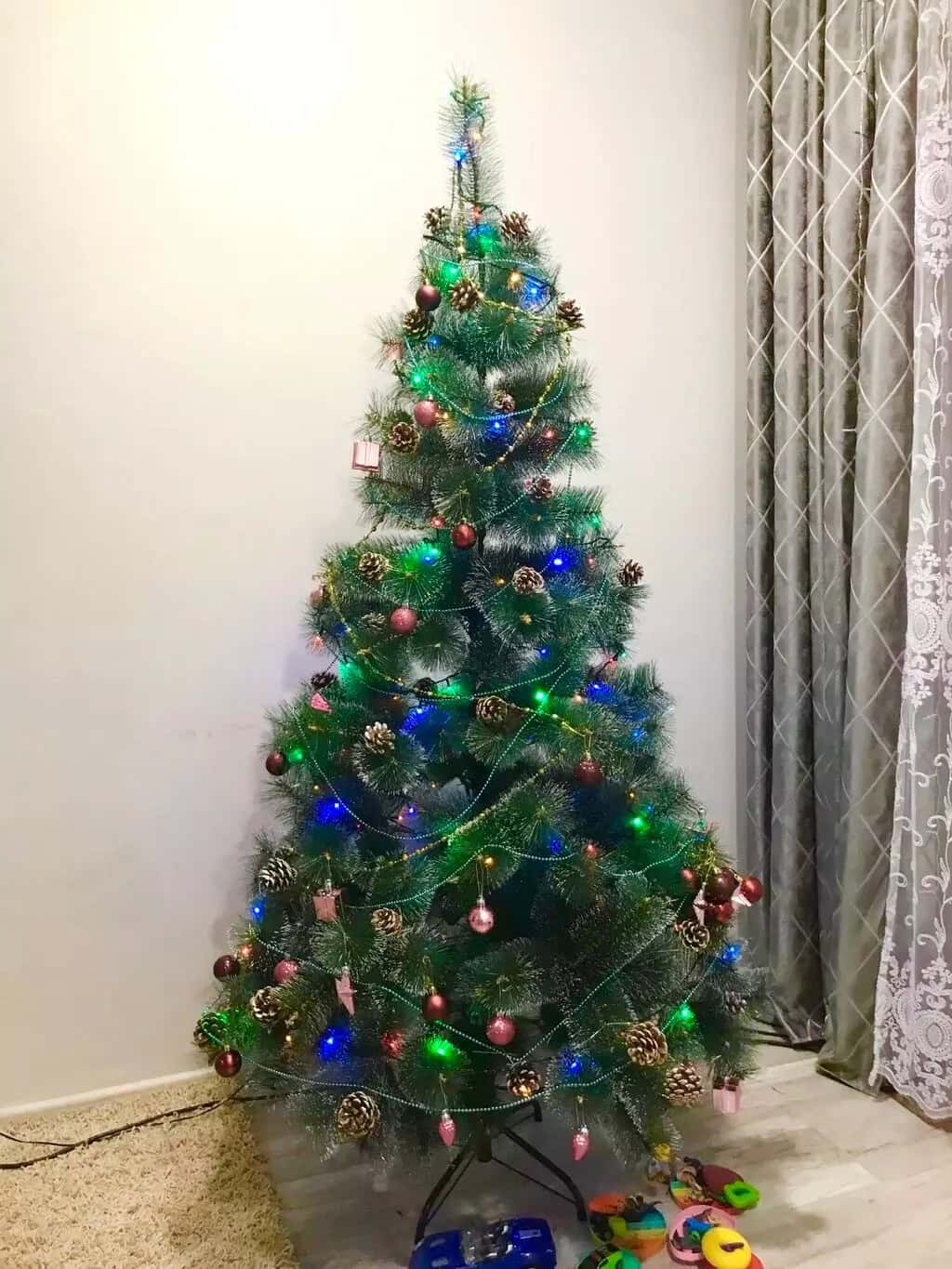
A snowy Christmas tree resembles a winter forest scene and can look more decorative even without ornaments. A classic green tree offers a simpler base, and the look is mainly formed by the ornaments used.
Which option is suitable depends on the decoration style.
Can a Snowy Christmas Tree Be Chosen for a Small Room?
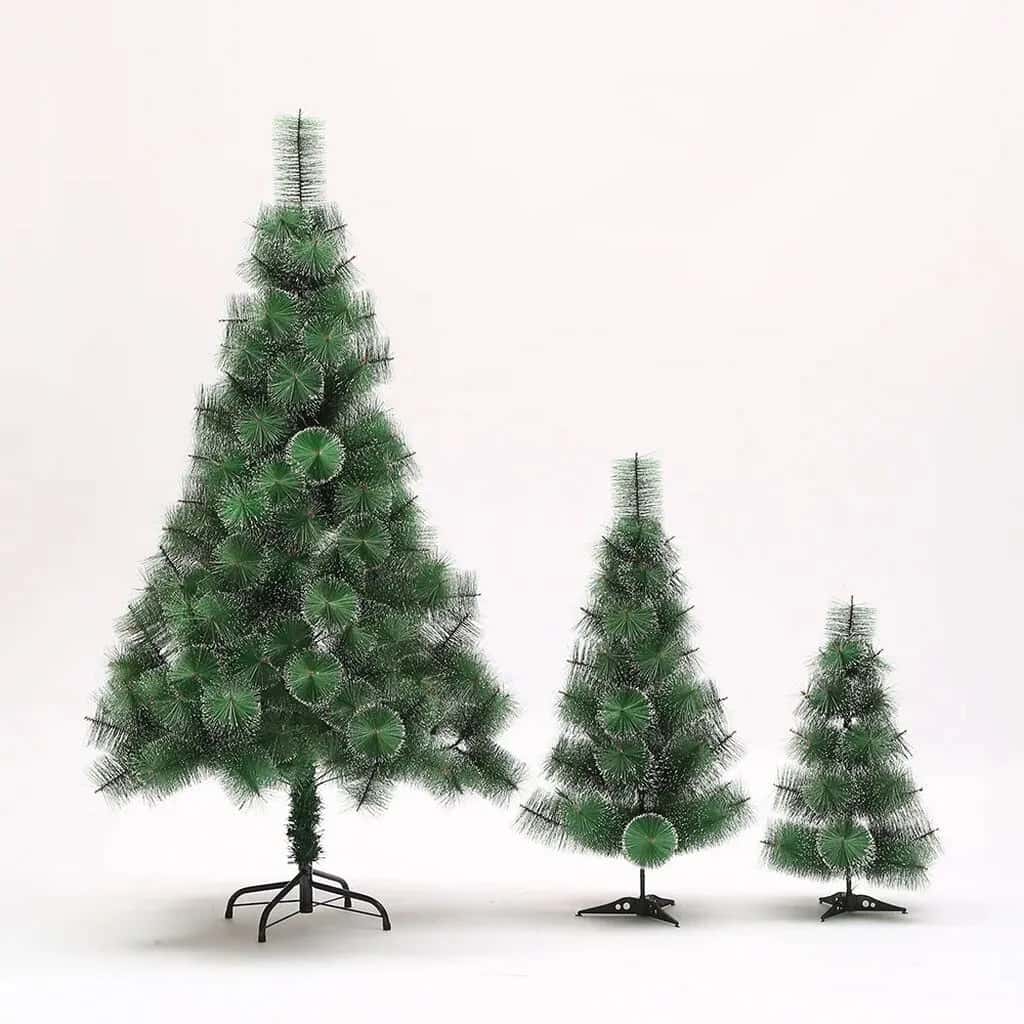
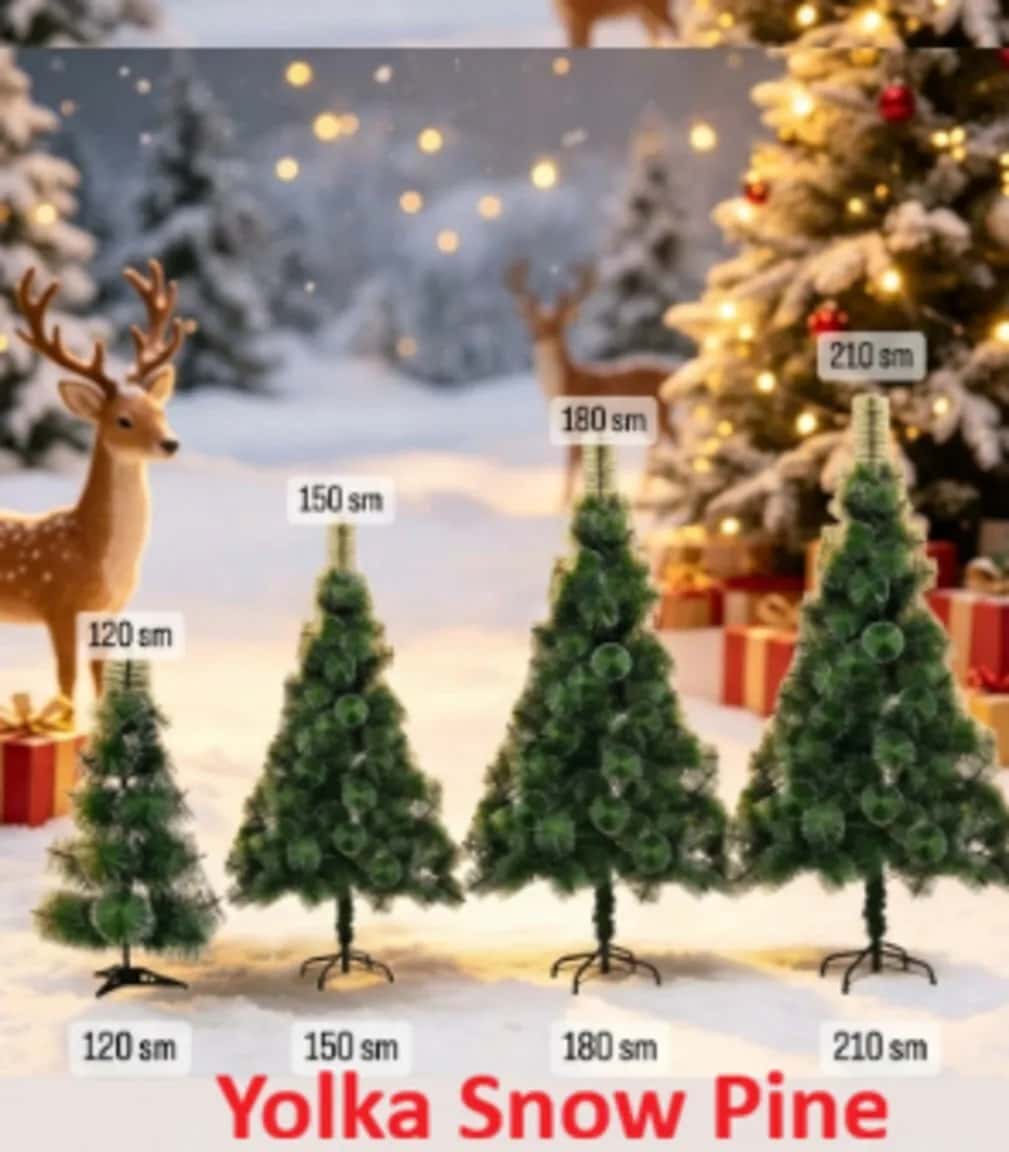
Yes. A snowy Christmas tree does not only come in large sizes.
In small rooms, slim-bodied and medium-height models are a more practical choice. The snow effect can create a visually full look even in a small model.
The width of the tree should also be chosen according to the movement area in the room.
Is Branch Density Important When Buying a Snowy Christmas Tree?
For a snowy Christmas tree, branch density directly affects the overall look.
Dense branches help the snow effect spread more evenly and make the tree look full.
In a sparse model, the internal construction may be more visible.
How Should a Snowy Christmas Tree Be Stored After the Season?
It is advisable not to squeeze the branches too much when storing a snowy Christmas tree.
To avoid damaging the snow cover, it is more appropriate to store the tree in dry, clean, and protected packaging.
Carefully opening the branches when installing it in the next season helps preserve the look of the snow effect.
Which Model Is Better to Choose When Buying a Snowy Christmas Tree?
The most suitable snowy Christmas tree model is the one that matches the size of the room, the decoration style, and the desired snow effect.
Some users may prefer a dense white cover, while others may prefer a more natural model where green branches are visible.
When choosing, it is more appropriate to consider the height, branch density, and quality of the cover together.