







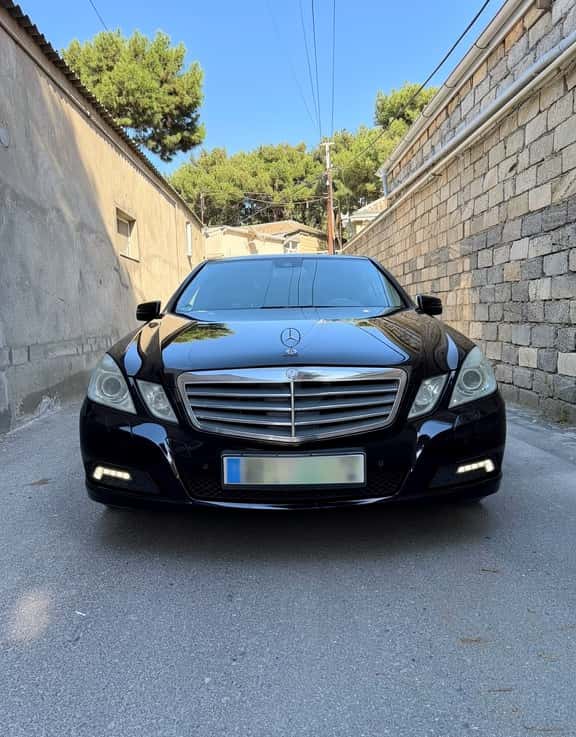
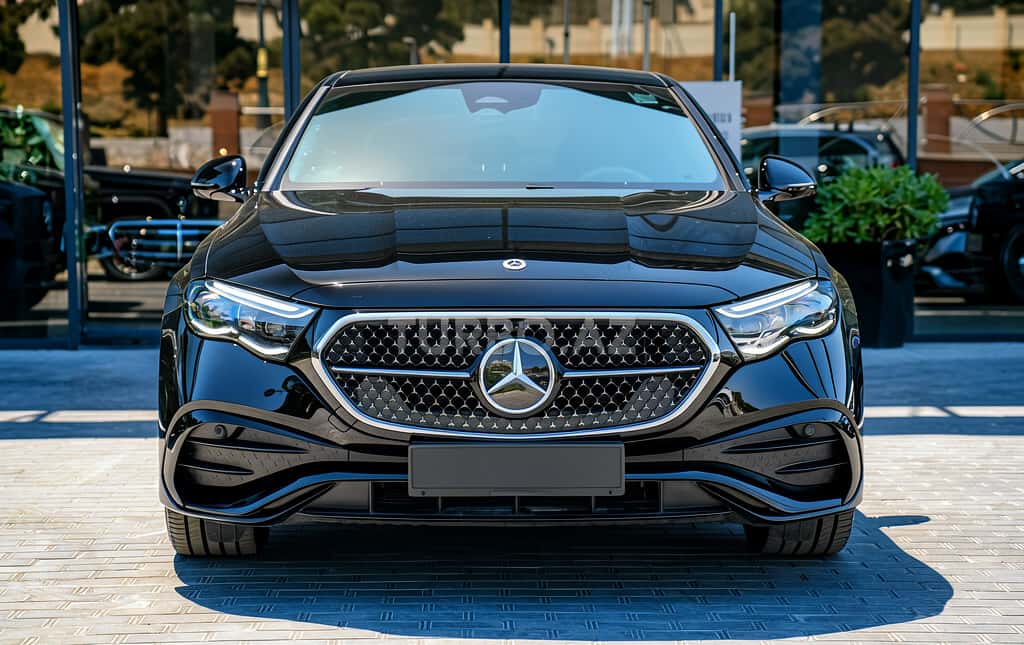
Basic Information About Mercedes E Class Prices
Since the Mercedes E Class has been presented with different generations over many years, there are wide options in the second-hand market. Along with more budget-friendly older releases, it is also possible to find cars that offer newer technologies and comfort features.
When choosing an E Class, it is more appropriate to consider the car's age, usage history, and future maintenance needs rather than evaluating the price as a separate figure.
How Do Mercedes E Class Prices Change According to Generation Choice?
There may be differences between E Class generations in terms of design, technology, safety systems, and interior features. These changes also affect the price position of the cars in the market.
A newer generation usually requires a higher budget. Older generations can create an alternative for users who want to buy an E Class but are looking for a more affordable price.
The main issue here is to determine which generation is more suitable for your daily needs.
Does the Mercedes E Class Price Depend on the Engine Version?
Different engine variants may exist within the same E Class. Since power, fuel consumption, and usage characteristics differ, the sales prices of these cars may not be the same.
When choosing an engine, it is useful to look not only at the power indicator but also at daily use and future service costs.
Such an approach allows for a more accurate calculation of the costs that may arise after the purchase price.
Why Is It Important to Clarify the Generation When Buying a Mercedes "Yeska"?
The term "Mercedes Yeska" can be used in daily conversation to refer to E Class cars. However, several generations of cars produced in different years can be meant under this name.
Therefore, writing only "Yeska" in the ad is not enough. The specific release year, body generation, and technical specifications of the car must also be checked.
This information shows more clearly which car you are looking at and whether the price is suitable for that choice.
Do Mercedes E Class Prices Differ According to the Car's Maintenance History?
A car that is serviced on time creates less uncertainty for the buyer. Oil changes, technical inspections, and timely renewal of important parts provide information about the level of maintenance of the car.
An E Class with a service history can sometimes be offered at a higher price than a car with similar age and mileage but unknown maintenance information.
The main advantage here is not just the price, but having more information about the car's previous use.
How Should the Mercedes E Class Price Be Evaluated in a Second-Hand Car?
When choosing a second-hand E Class, it is necessary to find a balance between the sales price and the general condition of the car.
Although a lower price may seem attractive, a car that requires additional costs for the engine, suspension, electronics, or other systems in the near future may cost more in total.
Conducting a technical inspection before purchase helps to better understand whether the price corresponds to the real condition.
Is It Necessary to Check Comfort Equipment When Choosing a Mercedes "Yeska"?
Yes. Since the E Class is a comfort-oriented car, electric seats, multimedia, air conditioning system, sensors, and other electronic functions should be checked separately during selection.
Even if the main mechanical parts of the car are sound, non-working additional equipment can create additional costs later.
For this reason, it is useful to pay attention not only to the driving quality but also to the functionality of the features in the cabin during the test.
How Should Mercedes E Class Prices Be Compared Among Ads?
The most accurate comparison is made between cars with a close release year, the same generation, and a similar engine.
After that, mileage, equipment, service history, and body condition can be considered.
Such a comparison prevents comparing different cars based only on the price figure and shows the real options in the market more clearly.