
DSP Juicer: Choosing a Model Based on Purpose
When buying a DSP juicer, you first need to determine which products you will be juicing most often. The structure of a device designed only for oranges and other citrus fruits may differ from a juicer that processes apples, carrots, and various vegetables.
Since there are models with different power and operating principles among DSP juicers, the choice should not be based solely on price.
Which type of model should be chosen among DSP juicers?
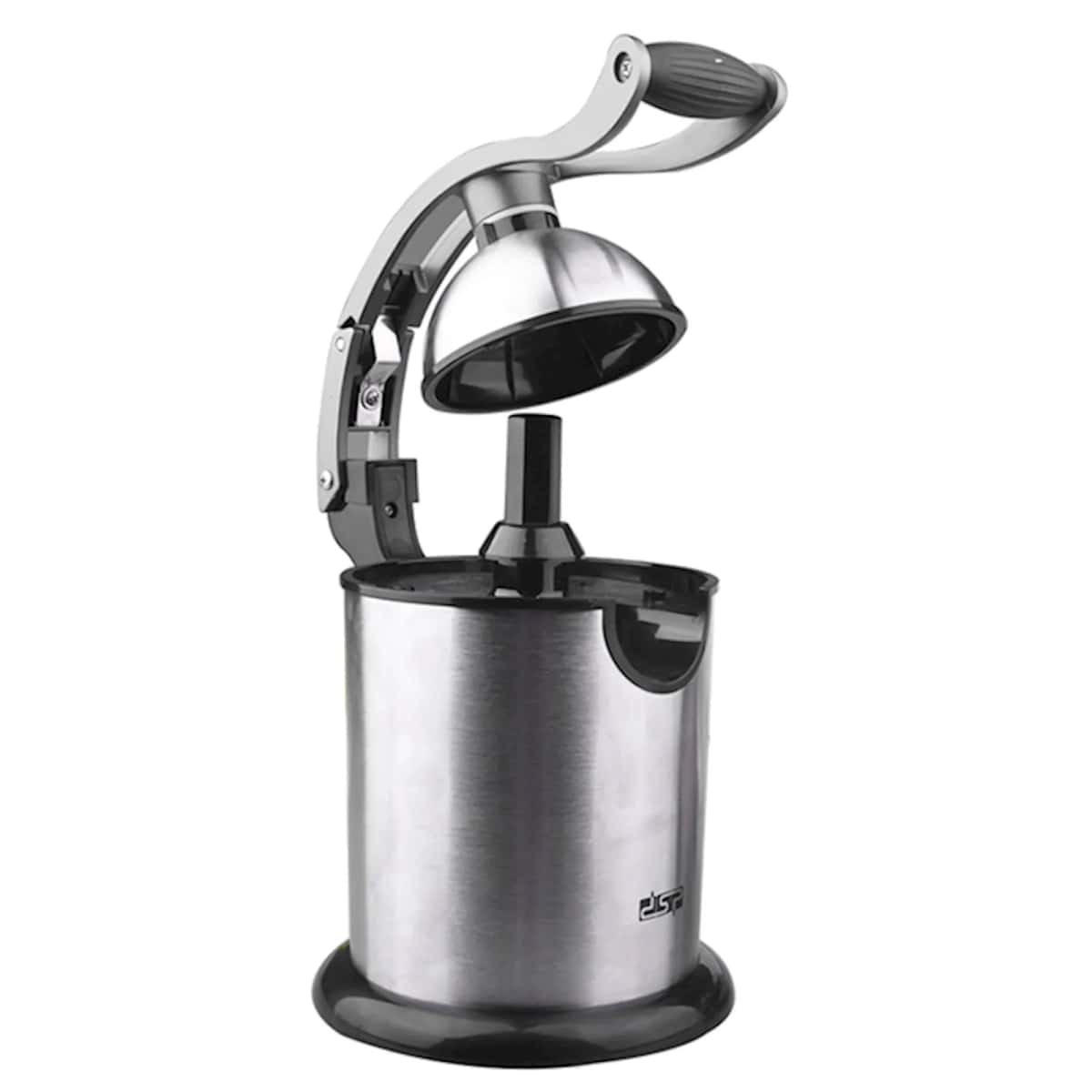
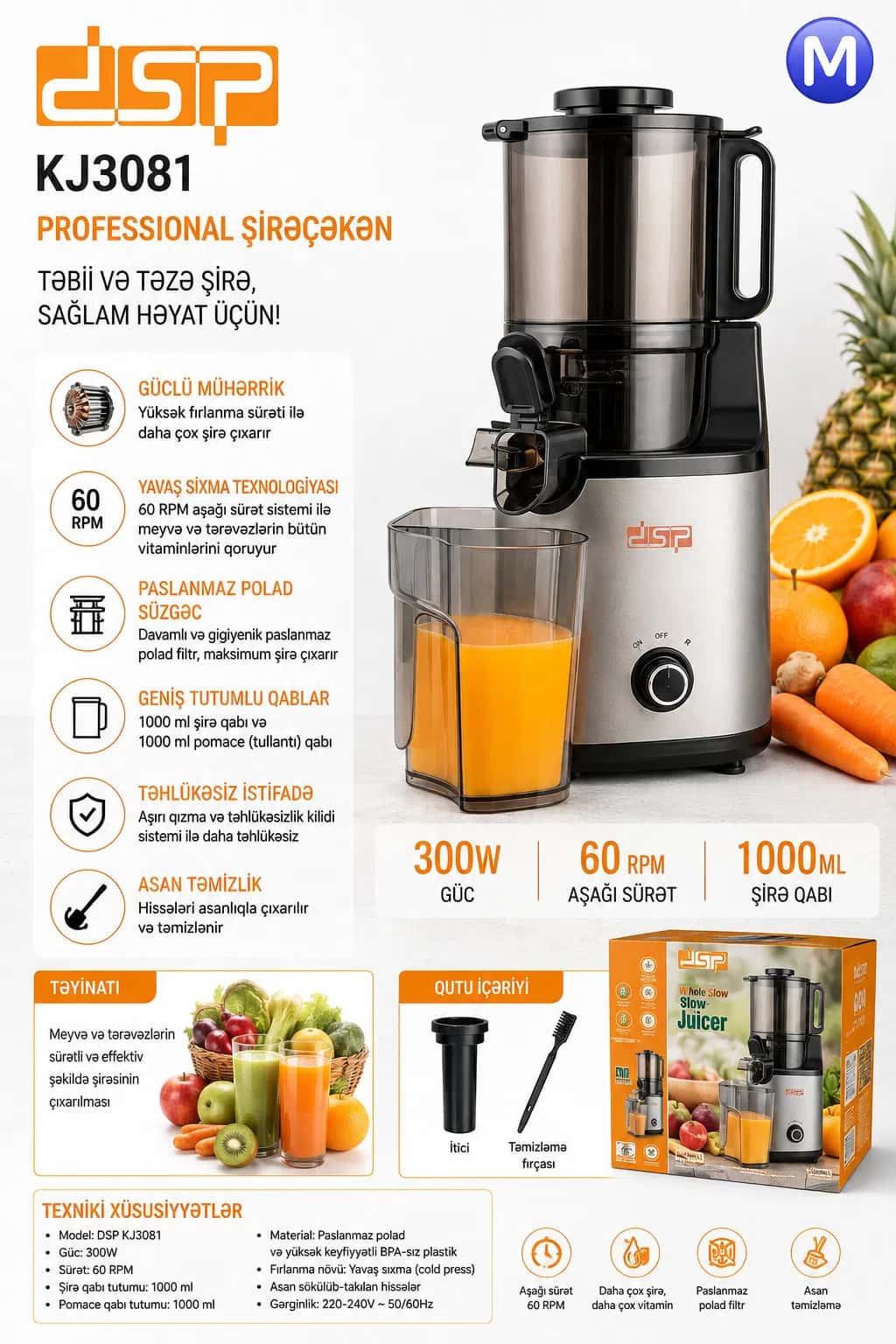
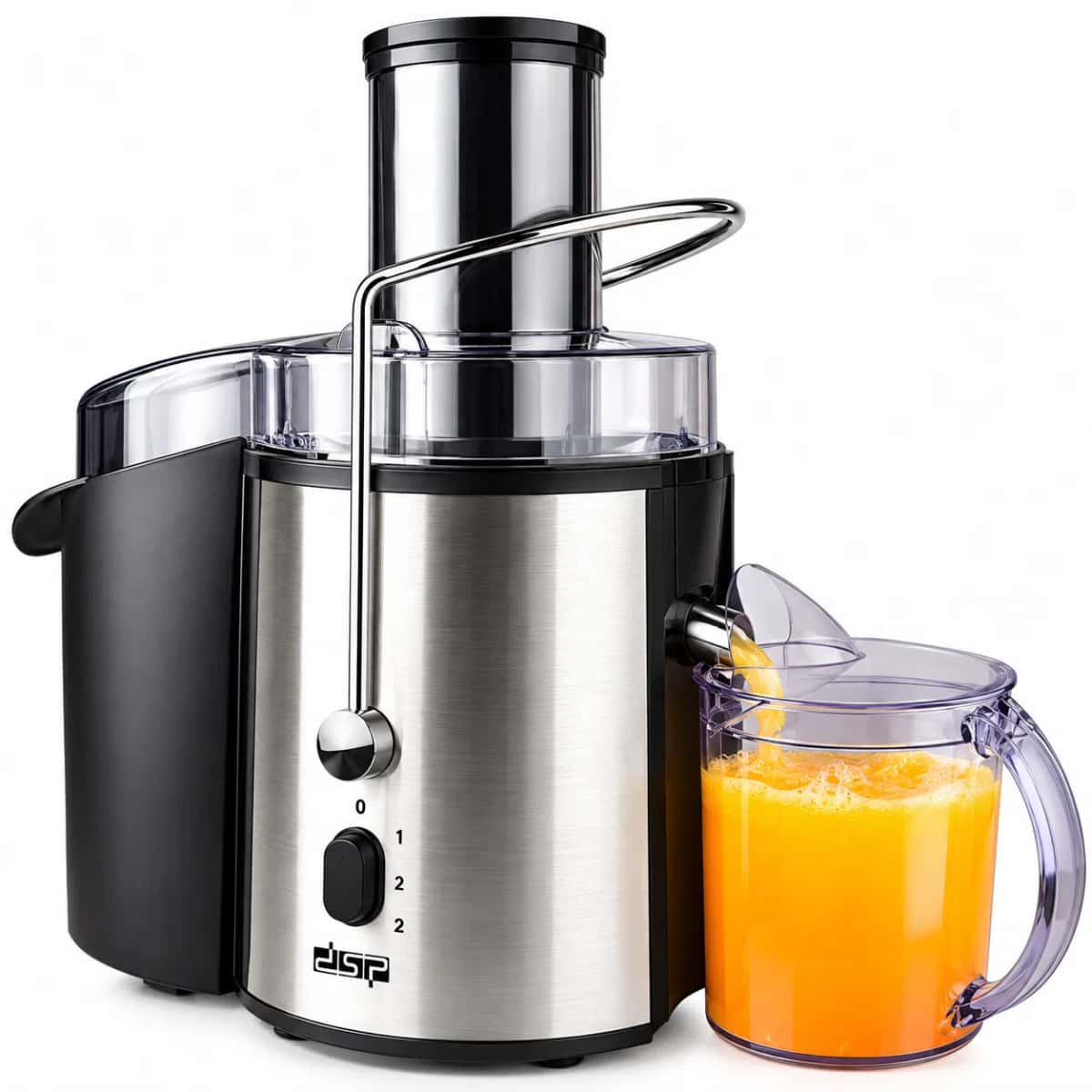
For a user who mainly wants to make orange, lemon, and grapefruit juice, a citrus model may be sufficient. Those who want to make juice from various fruits and vegetables can look at universal or centrifugal models.
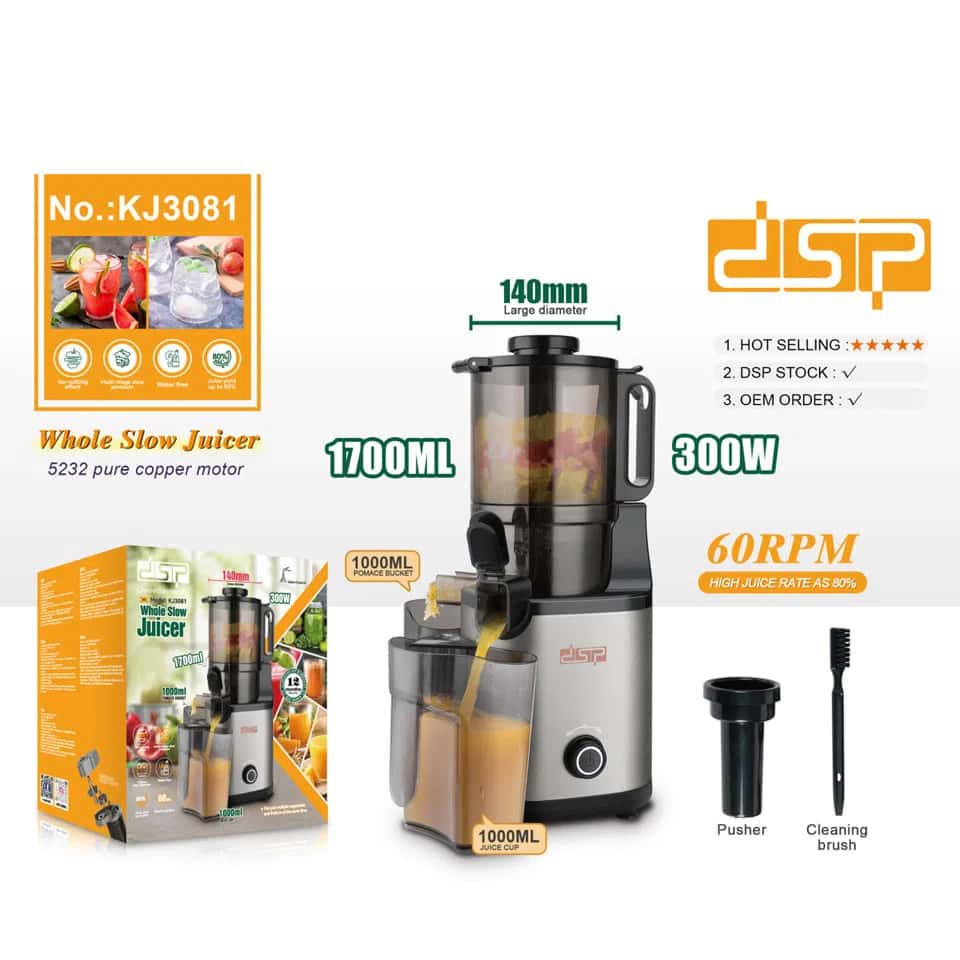
If a slow-speed model is chosen, the operating principle of the device and the preparation method of the products should also be taken into account.
How important is motor power when buying a DSP juicer?
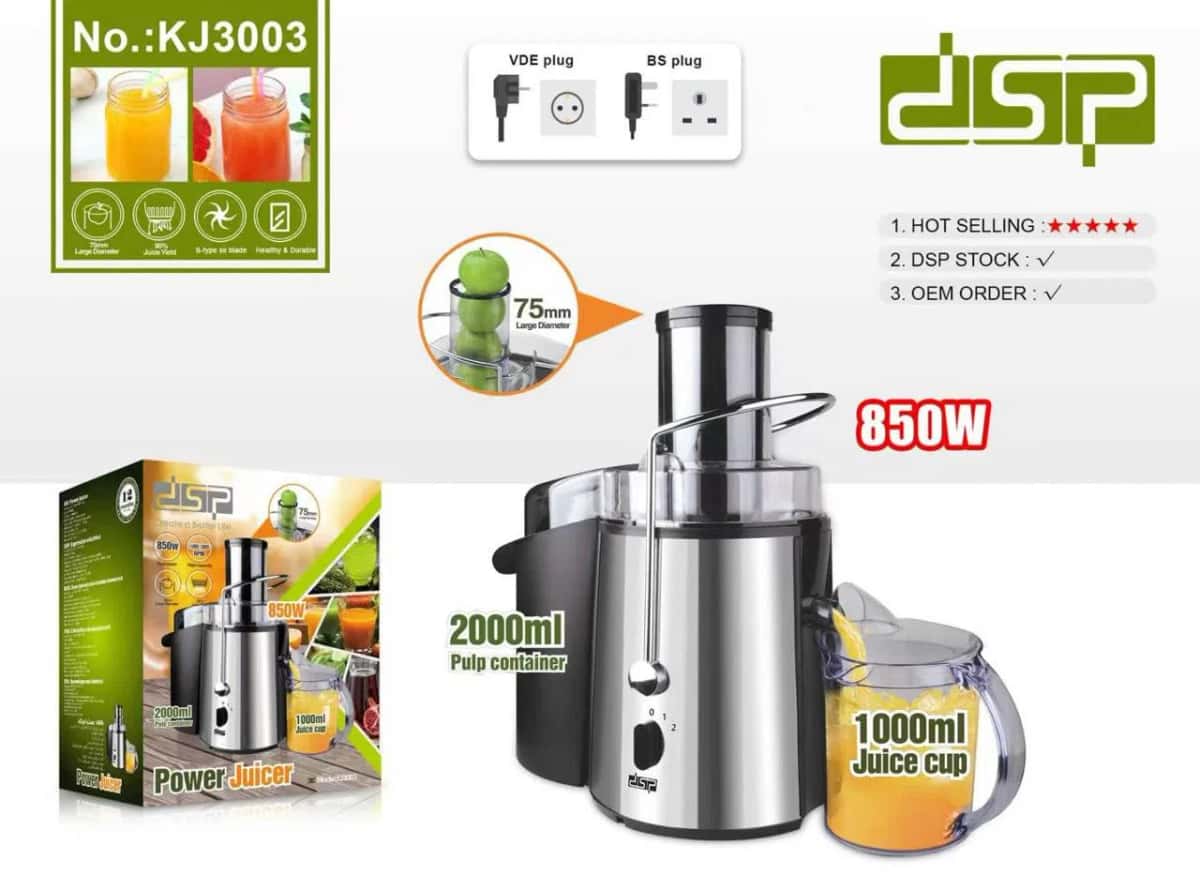
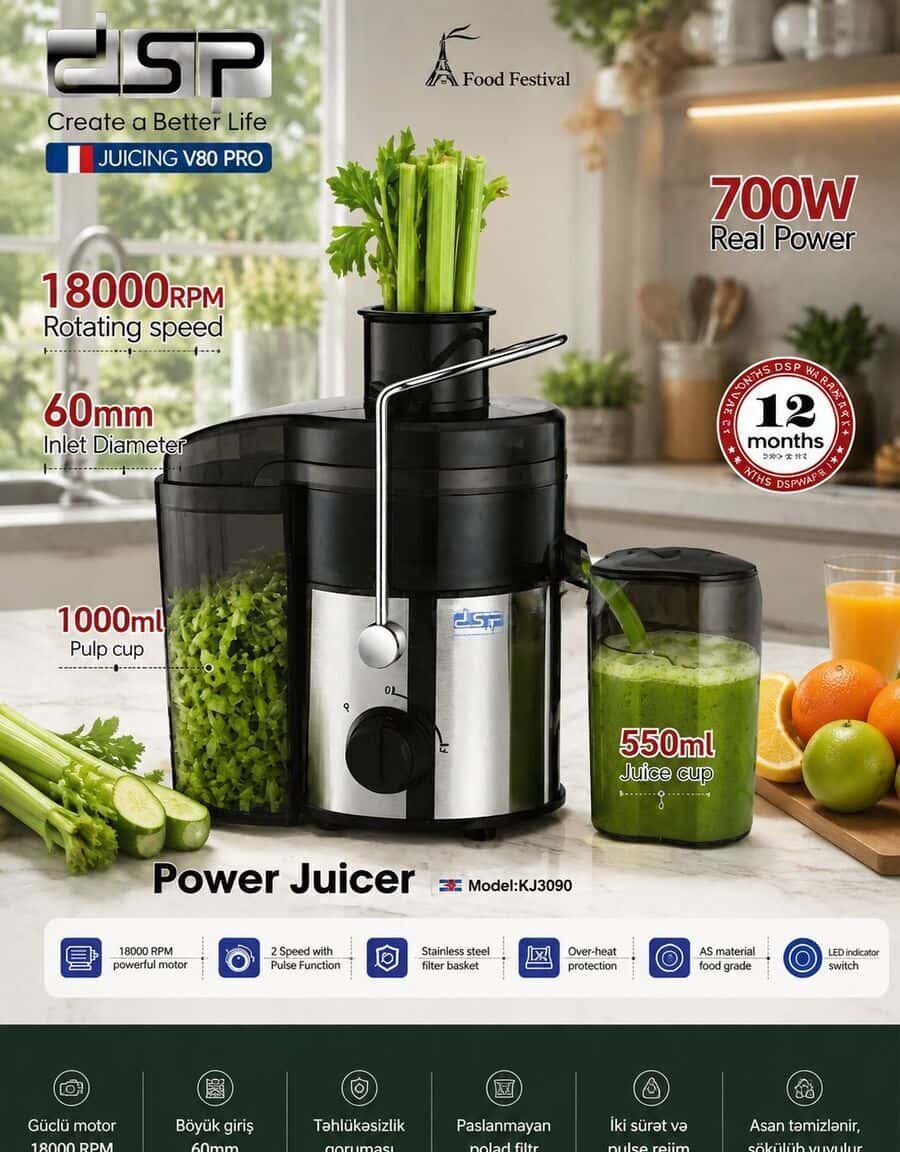
Motor power is one of the factors that affect which products the device can process more easily. The power requirement of a model intended for harder vegetables is not the same as that of a simple citrus juicer.
For this reason, it is more correct to look at the type of device and the purpose of use instead of choosing only based on high wattage.
Why is the size of the feed chute important for a DSP juicer?
A wide feed chute can allow products like apples and pears to be passed through the device with less chopping. This reduces the time spent on the preparation stage.
In models with a small feed chute, it may be necessary to cut fruits and vegetables into smaller pieces beforehand.
Why should the safety system be checked for DSP juicers?
It is important that the lid and other parts are properly closed in a high-speed juicer. Therefore, models with a safety lock can help prevent the device from operating if it is not fully assembled.
Some powerful models may also use an overheating protection function. It is necessary to check the safety features of the specific model separately at the time of purchase.
How should a DSP juicer be chosen in terms of cleaning?
After using the juicer, the filter, pulp container, and components that come into contact with the juice must be cleaned. Easy disassembly of removable parts makes daily use more practical.
If you are going to use the device frequently, it is also useful to look at details such as the structure of the filter, the removal of the pulp container, and an anti-drip spout.